

Key Takeaways
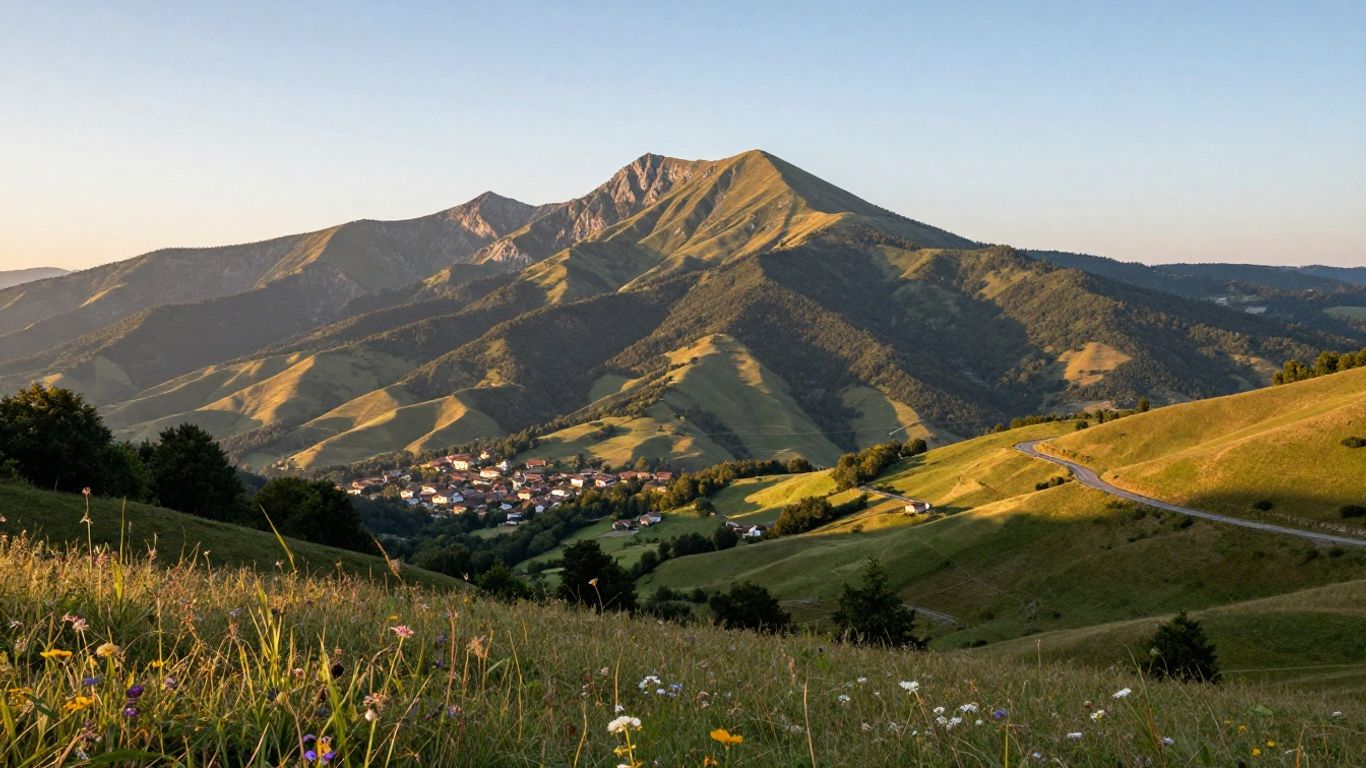
The Monti Sibillini give you a remarkable choice of landscapes within a manageable driving area. Plan around one main walk, leave room for a village or long lunch, and check local access conditions before setting out.
- Castelluccio and the Piano Grande are ideal for wide-open mountain scenery.
- Lago di Fiastra combines swimming, lakeside views and the Lame Rosse.
- The high routes around Monte Vettore require proper preparation and weather awareness.
- Visso, Norcia and the smaller villages add food, history and a slower rhythm.
- A base near Macerata makes it easier to mix mountain days with the wider Marche.
1. Castelluccio di Norcia and the Piano Grande
Castelluccio di Norcia is one of the most recognisable landscapes in the Apennines. The village sits above the Piano Grande, a huge open basin ringed by mountains, where the view changes dramatically with the season. You can come for a gentle wander, a picnic or a longer mountain route.
The plateau is especially memorable in late spring and early summer, when cultivated fields and wildflowers create patches of colour across the grassland. Even outside flowering season, the scale is the attraction: roads and paths seem to stretch towards the ridges without interruption. Bring a jacket, as the open terrain can feel exposed.
For a relaxed day, combine the plateau with a walk around Castelluccio and a meal featuring local lentils or cured meats. This is one of the easiest Monti Sibillini day trips to adapt, whether you want two quiet hours outdoors or a full day in the mountains.
2. Lago di Fiastra and the Lame Rosse
Lago di Fiastra is a particularly flexible stop, with blue water, wooded slopes and several places where you can pause beside the shore. You can swim when conditions allow, walk along the lake or simply take the longer road for changing views. The nearby Lame Rosse add a very different texture to the day.
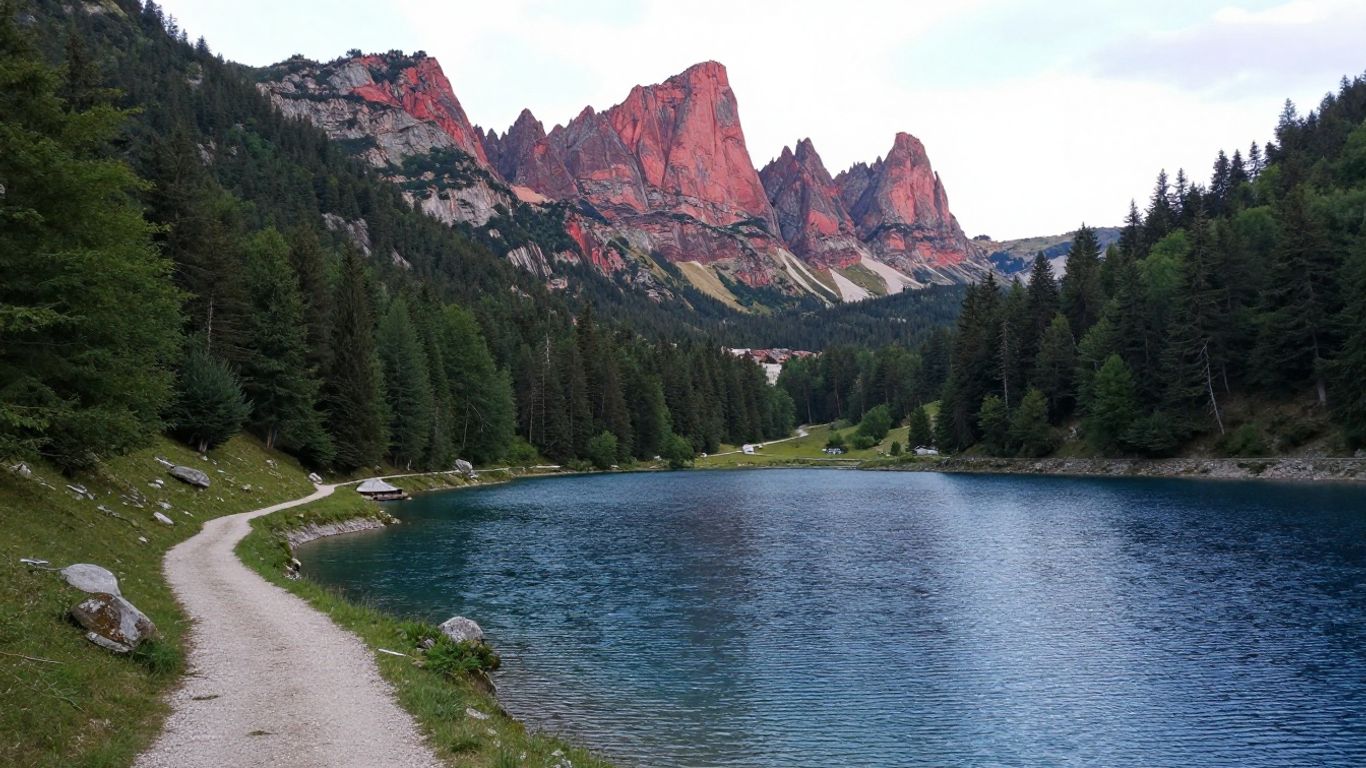
The Lame Rosse are weathered red formations reached by a trail from the Fiastra area. Wear shoes with a good grip and allow time for the return journey, especially in warm weather. For wider planning ideas around the lake, places near Macerata also shows how Fiastra can fit into a broader Marche itinerary.
A good rhythm is to walk to the formations early, return for a lakeside break and then explore the villages nearby. Sileni Hills, opening in June 2027, is designed as a 21-apartment retreat and a base for experiencing the Marche, including mountain days such as this one.
3. The Gole del Fiastrone
The Gole del Fiastrone offer a cooler, more enclosed experience than the open plateaux. The path follows a dramatic gorge carved through rock, with shaded stretches, uneven ground and the sound of running water. It suits you if you prefer a sense of adventure to a broad panoramic walk.
Allow plenty of time and avoid treating the gorge as a quick photo stop. Conditions can vary after rain, so check the route locally and carry water, food and footwear suitable for rocky paths. The gorge is also close to other natural areas, making it possible to shape the day around your energy rather than a rigid timetable.
The landscape rewards patience: narrow walls open unexpectedly, and small changes in light make the rock look different as you move. A wider guide to Sibillini hiking trails can help you compare the gorge with easier or more demanding routes before choosing.
4. Monte Vettore and Forca di Presta
Forca di Presta is a natural starting point for views towards Monte Vettore and the high Sibillini. The air feels sharper here, and the landscape quickly becomes more alpine than pastoral. You should choose this outing only if the weather, route and your fitness all match the plan.
High mountain walks demand an earlier start and more careful preparation than a village-and-lake day. Check forecasts, carry layers and take enough food and water; paths may be rocky, exposed or affected by seasonal conditions. The reward is a vast view across ridges, valleys and the Piano Grande.
A simple planning guide helps keep expectations realistic:
| Day style | Best for | What to allow |
|---|---|---|
| Viewpoint stop | A short mountain experience | One to two hours |
| Half-day walk | A steady route without rushing | Three to five hours |
| High summit route | Experienced walkers and stable weather | Most of the day |
Choose the shorter option if cloud is building or the route feels busier than expected. In the mountains, turning back early is part of a good day, not a failure.
5. Visso and the Nera Valley
Visso sits where mountain roads and the Nera Valley meet, making it a useful place to slow down between walks. The surrounding scenery is greener and more enclosed than the high plateaux, with wooded slopes and water shaping the valley. You can easily make the town part of a longer scenic drive.
Spend time walking through the centre, then look for a simple lunch based on local produce. The area works well when you want culture without giving up nature: a morning outdoors can be followed by an unhurried afternoon among stone buildings and valley views.
The Nera Valley is also a good choice for a day when the highest paths are unsuitable. Keep your plan flexible, particularly after rain, and use the lower roads and villages to retain the mountain atmosphere without forcing a demanding hike.
6. Ussita and Frontignano
Ussita and Frontignano sit beneath some of the most striking mountain scenery in the northern Sibillini. Frontignano is associated with winter sports, while in warmer months the area becomes a starting point for walks and viewpoints. The drive itself is part of the experience, with the valley gradually giving way to steeper slopes.
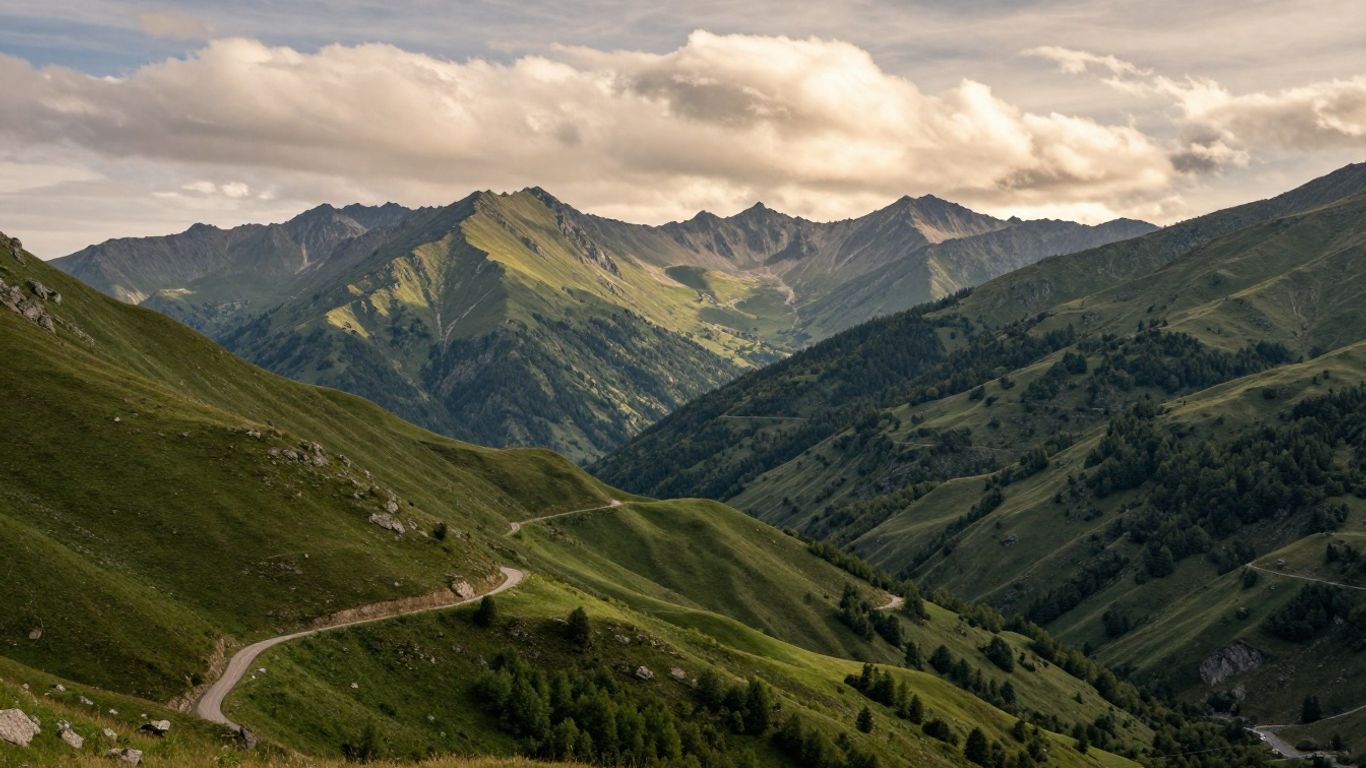
You can make this a gentle day by combining a short walk with a village stop, or plan a longer route if you are properly equipped. In winter, conditions can change quickly, so check access and snow information before leaving. In summer, start early to enjoy cooler air on the exposed sections.
Sileni Hills offers a quiet regional base rather than a mountain resort, with generous green space, a large pool and breakfast featuring regional products. That makes it practical to alternate a full day in the hills with a slower morning near Macerata.
7. Bolognola and the Fiastrone Valley
Bolognola has a peaceful, high-valley setting and a distinctly rural character. It is a good destination when you want mountain scenery without centring the day on one famous viewpoint. Roads, paths and small settlements create a more gradual experience of the landscape.
The Fiastrone Valley nearby adds wooded slopes, streams and changing perspectives as you travel. Plan a walk that matches the season and your footwear, then leave time for a meal or coffee rather than filling every minute with distance.
This corner of the park suits slow travel particularly well. You can stop for photographs, listen to the valley and take the long way back, which is often more rewarding than trying to collect several landmarks in a single afternoon.
8. Amandola and the southern Sibillini
Amandola is a strong southern gateway to the Sibillini, with a historic centre and broad views towards the mountains. It works well as a starting point for a day that balances walking with food, architecture and village life. The pace feels gentler than on the high routes.
Before choosing your route, decide what kind of day you want:
- A short walk followed by a long lunch.
- A scenic drive through the southern foothills.
- A village-focused day with time for local shops.
- A longer trail for cooler weather and stronger legs.
That simple choice prevents the day from becoming a tiring list of stops. Amandola is particularly useful when you are travelling with people who enjoy different levels of activity.
9. Norcia and the eastern gateway to the park
Norcia provides a natural eastern entrance to the Sibillini and a strong food culture to match its mountain setting. Its historic character and surrounding countryside make it worthwhile even when you are not planning a serious hike. Allow time to sit down rather than treating it only as a departure point.
Local specialities, including lentils, salumi and truffles, give the day a clear sense of place. You can pair a town visit with a short drive towards the uplands, but check road conditions and access before setting out, as mountain routes are not always equally available throughout the year.
Norcia also pairs naturally with Castelluccio, although both deserve more than a rushed stop. If you have only one day, choose the experience that matters most: open plateau views, village food or a proper walk.
10. The Abbey of San Claudio and the Sibillini foothills
The Abbey of San Claudio offers a quieter, more architectural ending to a mountain itinerary. Its historic forms and rural setting show how the foothills are not just a passage towards the peaks. You can visit at a slower pace, combining the abbey with nearby roads and villages.
This is a useful choice when you want scenery without a demanding trail. The lower landscape of the Marche changes constantly, from cultivated fields to wooded rises, and the light can be especially gentle towards evening. Leave room for an unplanned stop if a small village or viewpoint catches your eye.
From a base near Macerata, the foothills can be combined with the coast, historic towns or a long lunch. That variety is the real strength of the region: one day can be rugged and high, while the next is close to art, food and quiet country roads.
Conclusion
The Monti Sibillini are best experienced with a little space in your plan. Choose one landscape, allow time for weather and roads, and let lunch or a village visit shape the rest of the day. From Castelluccio and Monte Vettore to Fiastra, Visso and Amandola, the park offers different moods rather than one fixed itinerary. A base around Macerata lets you enjoy those mountains while keeping the wider Marche within easy reach.
Frequently Asked Questions
What is the best season for Monti Sibillini day trips?
Late spring to early autumn offers the widest choice of walks and open roads, although conditions vary by altitude. Spring brings flowers, summer gives long days, and autumn adds softer light and changing woodland colour.
Can you visit the Sibillini without hiking?
Yes. Scenic drives, villages, abbeys, lakes and viewpoints make the area accessible without a long trek. You can choose a short walk and spend the rest of the day on food, history or photography.
How much time should you allow for Lago di Fiastra?
Allow at least half a day if you want to see the lake and walk towards the Lame Rosse. A full day gives you more time for swimming, pauses and nearby villages without rushing.
Are the high mountain routes suitable for beginners?
Some lower routes are approachable, but high paths can be exposed, rocky and weather-dependent. Check current conditions, wear suitable footwear and choose a route that matches your experience rather than the view alone.
What should you pack for a day in the Sibillini?
Take water, food, layers, sun protection, a charged phone and sturdy shoes. Even on a warm day, mountain weather can change quickly, especially near ridges and open plateaux.
Can you combine the mountains with food and culture?
Certainly. Norcia, Amandola, Visso and the smaller villages make it easy to add local food and historic streets to a nature-focused day. Plan fewer stops so the experience remains relaxed.
Is one base enough for exploring the park?
A central base can work well for several day trips, provided you accept that driving times vary by valley and mountain road. Staying in one place also makes it easier to adapt plans to weather and energy levels.