

Key Takeaways
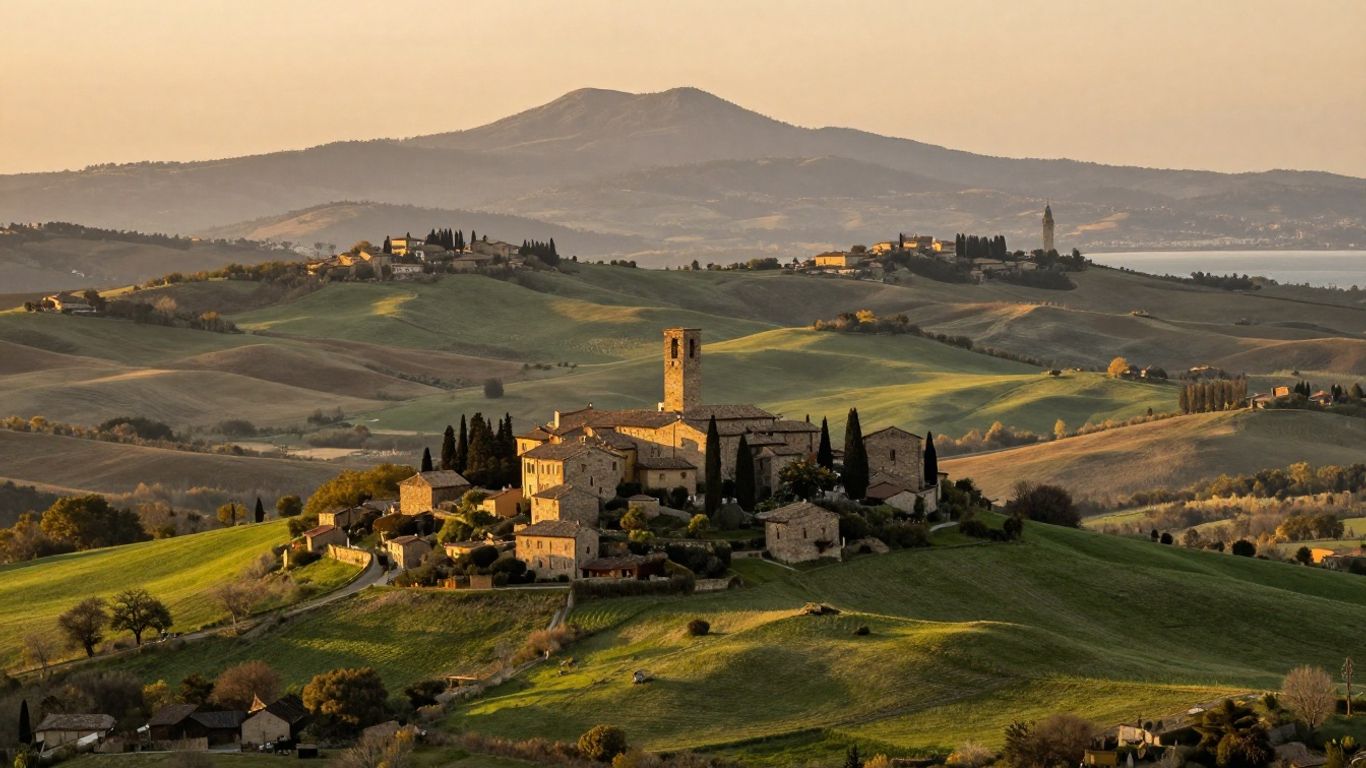
Macerata is a useful base for slow travel through hills, villages, mountains and coast. These ten places give you a varied itinerary without relying on the busiest Italian routes.
- Visit Recanati and Loreto for poetry, pilgrimage and wide views.
- Choose Cingoli, Treia and San Severino Marche for hill-town character.
- Make time for Tolentino’s art and Fiastra’s mountain scenery.
- Combine Sarnano and the Sibillini with a day by the Adriatic.
- Use the area around Macerata as a flexible base for unhurried day trips.
1. Recanati: A hilltop town of poetry and panoramic views
Recanati is one of the best places near Macerata if you enjoy literature, quiet streets and open countryside. The town rises above the surrounding hills, so even an ordinary walk can end with a broad view towards the Apennines or the sea. Give yourself half a day rather than rushing between sights.
The strongest connection is with poet Giacomo Leopardi, whose presence still shapes the town’s atmosphere. Visit the places associated with his life, then slow down in the historic centre for a coffee or a simple lunch. The appeal is as much in the setting as in the individual monuments.
From Sileni Hills, a retreat in the province of Macerata, Recanati works well as part of a wider day out. You can pair it with Loreto, or return through the countryside as the light softens over the fields. For broader regional ideas, this Le Marche travel guide is a useful starting point.
2. Loreto: Home to one of Italy’s most important basilicas
Loreto is an easy choice when you want a place with real cultural weight but a manageable historic centre. Its Basilica della Santa Casa dominates the town, drawing pilgrims and visitors to one of the Marche’s most recognisable religious sites. The surrounding streets make the visit feel like a town excursion, not only a stop at a church.
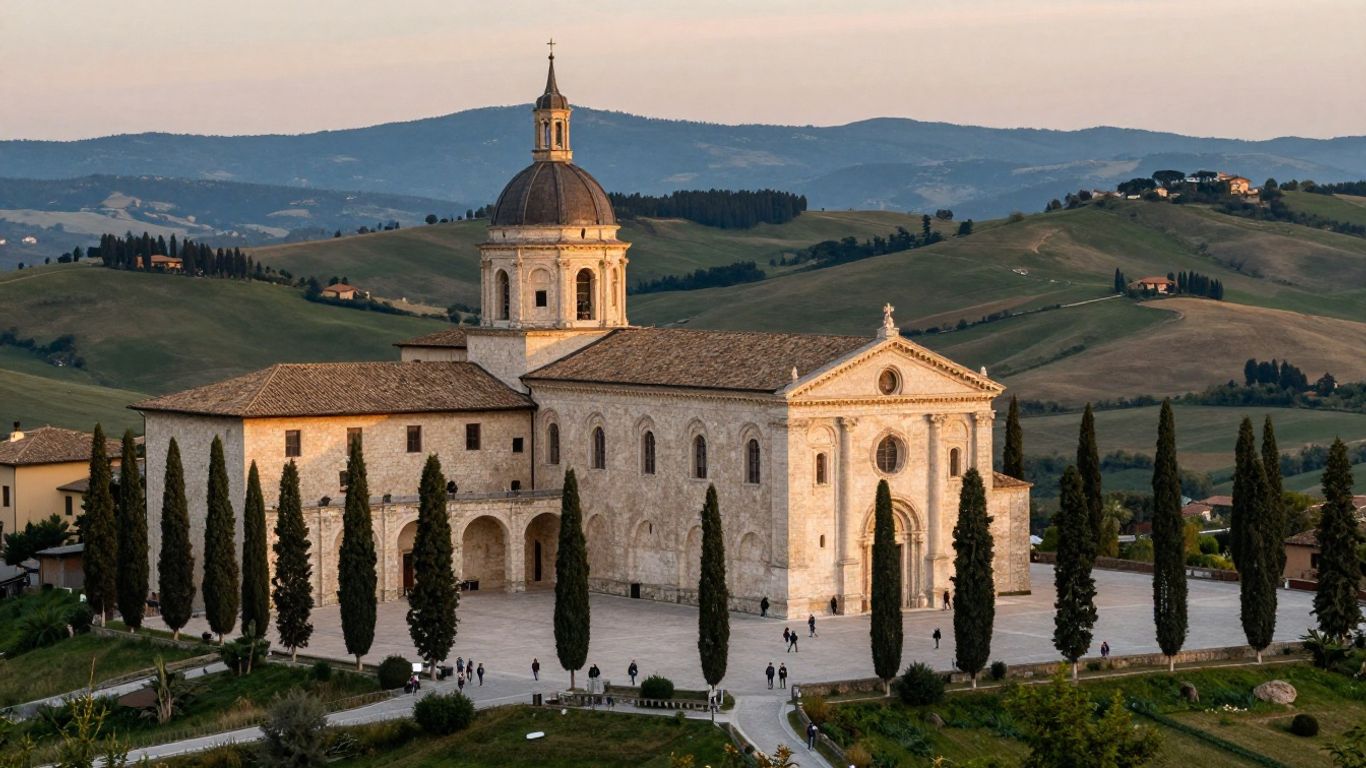
Take time to look at the basilica’s sculpture, stonework and spacious piazza before wandering through the older lanes. Even if you are not travelling for religious reasons, the scale and craftsmanship are compelling. Views across the countryside add another reason to visit late in the afternoon.
Loreto combines naturally with Recanati and the coast, making it practical for a flexible itinerary from Macerata. Wear comfortable shoes, especially if you plan to explore beyond the main square. A slower visit gives the town more room to breathe.
3. Cingoli: The balcony of the Marches
Cingoli earns its nickname through position rather than spectacle: from this high town, the landscape opens dramatically in several directions. On a clear day, you may see rolling farmland, distant mountains and glimpses towards the Adriatic. It is a place for anyone who likes viewpoints that arrive as part of a normal town walk.
The historic centre is compact, with stone buildings, churches and lanes that rise and fall gently. Pause in a square, browse a local bakery and let the pace remain unplanned. Cingoli feels particularly good in the shoulder seasons, when the air is crisp and the streets are quieter.
You can make the outing cultural, scenic or gently active. Bring a camera, but do not spend the whole visit behind it: the best moments are often found leaning against a parapet, watching the landscape change beneath the clouds.
4. Treia: A charming medieval village with elegant squares
Treia has the graceful proportions of a town shaped over centuries rather than arranged for visitors. Its historic buildings, gateways and elevated position reward a wandering approach. Start with the central squares, then follow whichever lane looks most inviting.
The town is known for its elegant civic architecture and strong local traditions. You will notice details in doorways, balconies and pale stone façades that are easy to miss when following a strict sightseeing list. Allow time for a long lunch and a short pause afterwards.
Treia is also a good counterpoint to the larger destinations around Macerata. It offers the intimacy of a borgo without requiring a full day, so you can combine it with another hill town and still return before dinner.
5. Tolentino: Art, history and the Basilica of San Nicola
Tolentino brings together religious art, a lively town centre and layers of history that reach beyond the medieval period. The Basilica of San Nicola is the main draw, with richly decorated interiors and a strong connection to the town’s religious identity. It deserves more than a quick photograph from the outside.
Walk through the centre after visiting the basilica, looking for quieter streets and small food shops. Tolentino is a practical place to stop for lunch because the town feels lived-in rather than staged. Try regional specialities where available, particularly handmade pasta, cured meats or seasonal dishes.
Its position makes Tolentino useful when you are linking Macerata with the Sibillini foothills. The day can move from art and architecture to open countryside without needing a complicated plan. That variety is part of the Marche’s appeal.
6. San Severino Marche: Roman ruins and Renaissance beauty
San Severino Marche is a rewarding destination when you want history in several distinct layers. The town combines Roman traces, medieval streets and Renaissance architecture, all set among hills that make the approach especially attractive. It feels substantial but not overwhelming.
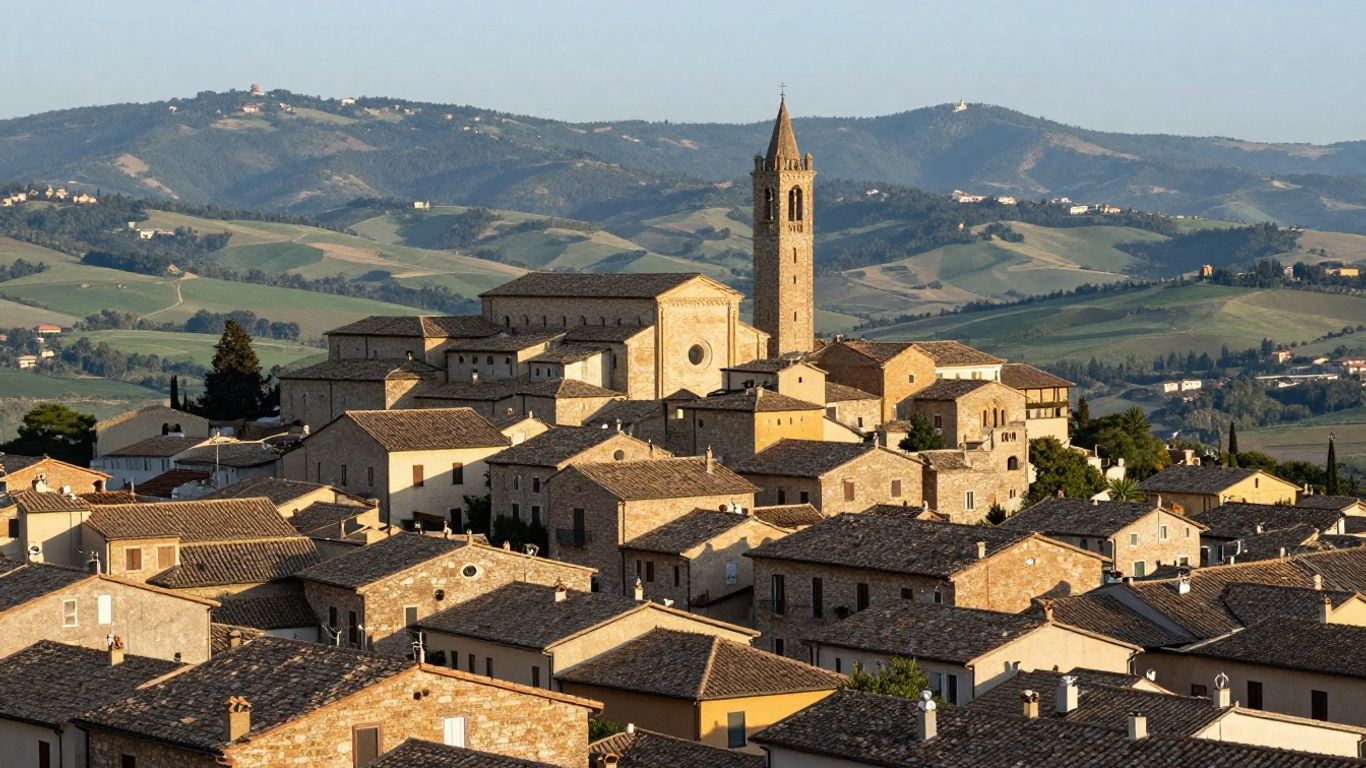
Look beyond the headline monuments and notice the town’s changing levels. Churches, gateways and public buildings appear around bends, while the upper areas open towards the countryside. It is worth taking a little time to explore on foot instead of treating the visit as a single archaeological stop.
For a clear route, combine the historic centre with nearby Roman remains, then leave room for a relaxed meal. A simple table can help you shape the day without overloading it:
| Stop | Best for | Suggested pace |
|---|---|---|
| Historic centre | Renaissance streets | Slow walk |
| Roman remains | Ancient history | Focused visit |
| Upper town | Views and photography | Late afternoon |
| Local trattoria | Marche flavours | Unhurried lunch |
The result is a balanced outing: enough history to feel distinctive, with landscape and food keeping the experience grounded.
7. Fiastra Lake and the Lame Rosse
Fiastra Lake changes the mood completely, replacing hill-town lanes with water, cliffs and mountain air. Its setting in the Sibillini area makes it a strong choice for a day outdoors, whether you want a walk beside the lake or simply a scenic picnic.
The Lame Rosse are famous for their unusual red rock formations, reached by a trail through the surrounding landscape. Conditions can vary, so sensible shoes, water and a check of local access information are worthwhile. The route is about seeing the terrain unfold gradually, not racing to the viewpoint.
If you are staying at Sileni Hills, the retreat can serve as a quiet base before or after a mountain day. For more ideas on routes, consult this guide to Sibillini hiking trails. Keep the schedule light: weather and walking pace matter more here than ticking off every stop.
8. Sarnano: A colourful gateway to the Sibillini Mountains
Sarnano is one of the most inviting mountain towns near Macerata, with warm-toned façades, narrow lanes and a centre made for an evening stroll. It has the atmosphere of a working community as well as a destination, which makes the visit feel pleasantly unforced.
Use the town as a starting point for the Sibillini, or stay close to the centre and enjoy its cafés, churches and small squares. The surrounding hills provide plenty of reasons to return in a different season. Autumn brings colour; summer offers cooler air than the coast.
A practical day in Sarnano might include three simple stages:
- Walk the historic centre before lunch.
- Follow a short mountain route in the afternoon.
- Return for local food and a quiet evening.
That combination keeps the outing varied without making it exhausting. It is also a good introduction to the region’s slower rhythm.
9. Porto Recanati: Seaside walks and Adriatic beaches
Porto Recanati is the place to choose when your inland itinerary needs salt air and an easy change of pace. The seafront invites a long walk, with cafés and beaches close at hand. You can arrive without a demanding plan and let the day revolve around swimming, lunch and the promenade.
The town has a more relaxed coastal feel than a major resort. In the evening, the Adriatic light gives the waterfront a particularly gentle atmosphere, while the inland hills remain close enough to remind you that this is still the Marche rather than a separate holiday world.
From Sileni Hills, the coast can form the lighter half of a two-part day, paired with Loreto or another inland town. Bring a layer for the return journey: seaside warmth can give way to cooler air as you head back into the hills.
10. The Riviera del Conero: Dramatic coastline and hidden coves
The Riviera del Conero offers a wilder coastal contrast, with wooded slopes, pale cliffs and coves reached by paths or boat. It is ideal when you want the Adriatic to feel scenic and rugged rather than simply convenient. Choose one stretch of coast and enjoy it properly.
Some beaches require effort, especially where trails descend from the headland. That is part of the appeal, but it also means checking access, footwear and sea conditions before setting off. A morning walk followed by a long lunch is often more satisfying than trying to see the entire Riviera.
The Conero works beautifully at the end of a Macerata-area stay, balancing the inland borghi with open water. It is a reminder that the region’s identity is broad: space for different kinds of days, from mountain paths to a barefoot stroll beside the sea.
Conclusion
The best places near Macerata are not all alike, and that is precisely why the area rewards a few days rather than a hurried excursion. You can move from Leopardi’s Recanati to Loreto’s basilica, from medieval hill towns to the Sibillini and then down to the Adriatic. Base yourself somewhere peaceful, keep your itinerary flexible and leave room for meals, weather and the occasional unplanned turn.
Frequently Asked Questions
How many days do you need around Macerata?
Three to five days gives you time for hill towns, one mountain outing and at least one coastal visit. With a longer stay, you can slow the pace, revisit a favourite village and add activities such as cycling, walking or food-focused excursions.
Which place is best for a first day trip?
Recanati and Loreto make a strong first outing because they are contrasting but easy to combine. One offers literary history and hilltop views; the other centres on a major basilica and a distinctive pilgrimage tradition.
Are these destinations suitable without a car?
Some towns are reachable by public transport, but connections and frequencies can be limited, particularly for mountain areas. A car gives you more freedom to combine small villages, viewpoints and walking routes in one day.
When is the best season to visit?
Spring and early autumn are especially pleasant for walking and sightseeing, with comfortable temperatures and softer light. Summer suits the coast and higher mountain areas, while winter can bring a quieter atmosphere but shorter daylight hours.
What food should you try in the Macerata area?
Look for handmade pasta, vincisgrassi, local salumi, olive oil, seasonal vegetables and regional cheeses. Depending on the area, you may also find truffles and wines such as Verdicchio or Rosso Piceno on local menus.
Is the Riviera del Conero good for a day trip?
Yes, particularly if you choose one beach or walking area rather than attempting the whole coastline. Start early in high season, check access to coves and finish with a relaxed meal near the water.
Which destination is best for mountain scenery?
Fiastra Lake and Sarnano are excellent choices for combining dramatic landscapes with manageable town visits. Fiastra suits a more outdoors-focused day, while Sarnano lets you balance a mountain outing with cafés, architecture and a slower evening.