

Key Takeaways
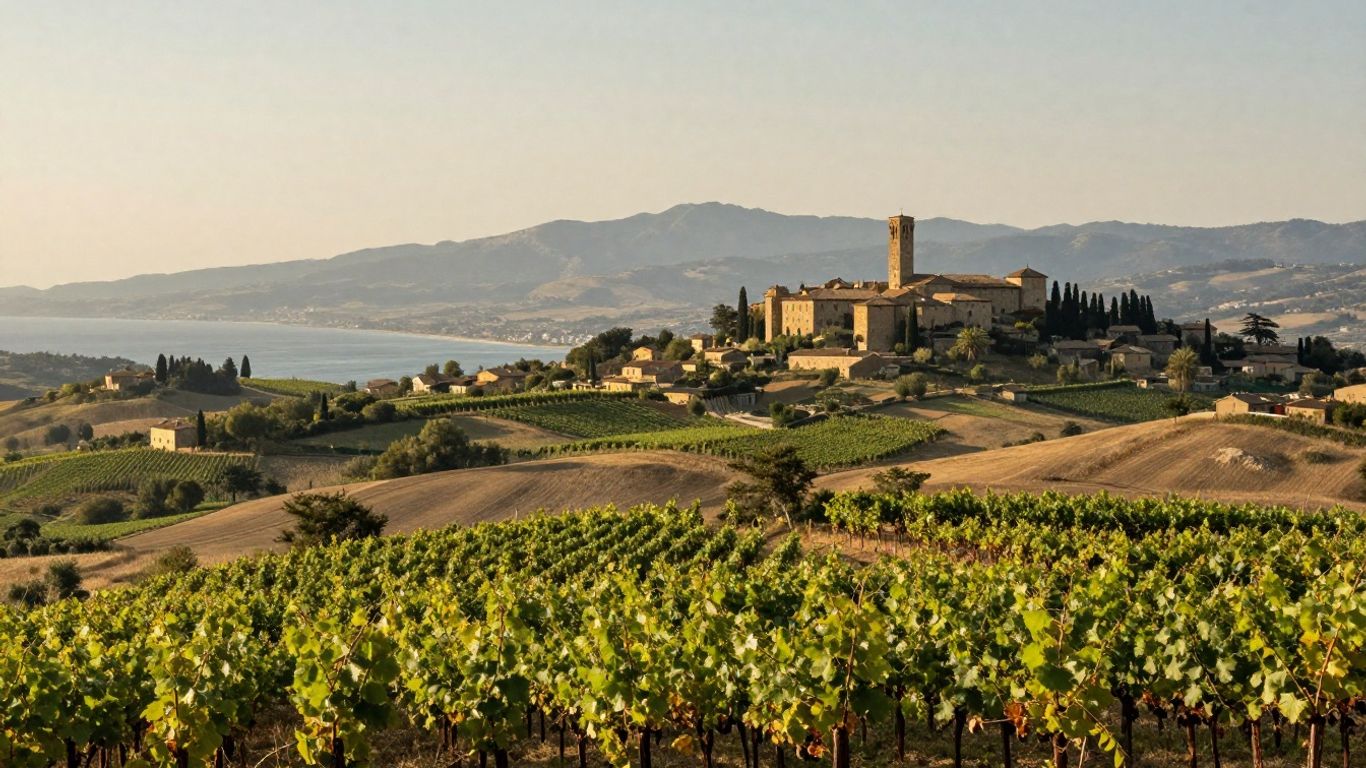
Le Marche gives you a slower, more varied way to experience central Italy, with mountains, beaches, art cities and food traditions close together.
- You can combine Adriatic beaches, hill towns and the Apennines in one journey.
- Urbino, Ascoli Piceno and Macerata each offer a distinct cultural character.
- The Conero Riviera and Sibillini Mountains suit walking, swimming and outdoor days.
- Regional cooking ranges from olive all’ascolana to seafood, salumi and Verdicchio.
- A retreat in the Macerata countryside makes a practical base for exploring the region.
Understanding Le Marche and its distinctive landscapes
Le Marche is a region of contrasts, running from the Adriatic Sea into the Apennines. You can spend one morning beside the water and the next among vineyards, chestnut woods or high mountain valleys. The distances are manageable, but the roads and landscapes encourage you to travel slowly. If you want a broad introduction, this guide to Marche gives useful geographical context before you start planning.
Where Le Marche is located in Italy
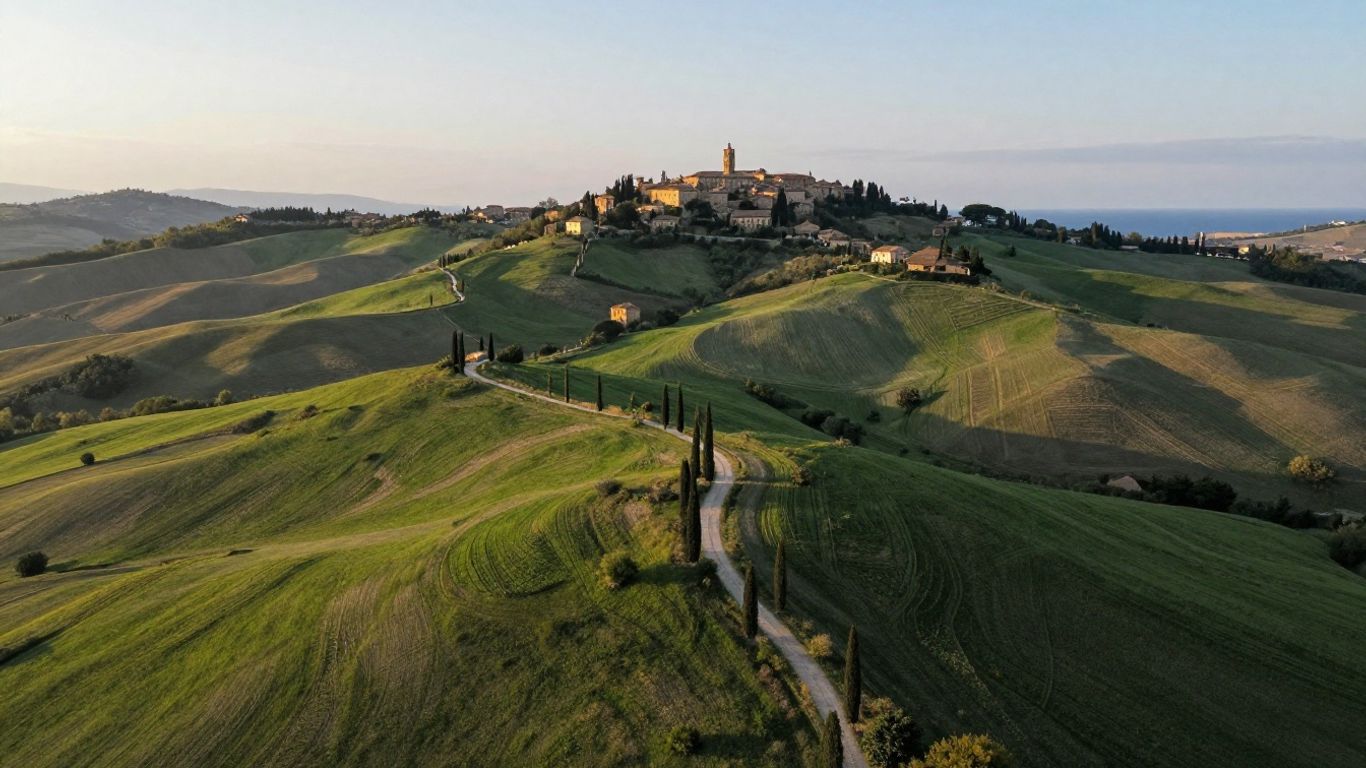
Le Marche sits in central Italy, east of Umbria and Tuscany and along the Adriatic coast. Ancona is the regional capital and the main maritime gateway, while Macerata anchors a particularly attractive inland area of theatres, villages and farmland. The region is long and narrow, so you should think in terms of coastal, central-hill and mountain bases rather than trying to cover everything from one end to the other.
How the Apennines shape the region
The Apennines form a strong western spine, with the Monti Sibillini creating some of the region’s most dramatic scenery. Their presence affects everything from weather and farming to the character of the roads: valleys open into broad views, then narrow into wooded passes. For you as a traveller, that means a day can shift naturally from an easy village walk to a more demanding mountain route.
The Adriatic coastline and rolling inland hills
Between the mountains and sea, rounded hills carry wheat fields, olive groves and vineyards. The coastal strip is more built-up, especially around Civitanova Marche and Porto Recanati, but the inland roads quickly become quieter. This changing rhythm is one of the pleasures of Le Marche Italy: you are rarely far from a completely different landscape.
Why Le Marche feels less discovered than Tuscany or Umbria
Le Marche has famous places, but they are spread across the region rather than concentrated in one heavily visited circuit. You may find a Renaissance palace in Urbino, a village festival in the hills and a nearly empty country road within the same trip. The region is not a substitute for Tuscany or Umbria; it has its own mixture of Adriatic life, mountain culture and modest, lived-in towns. A useful starting point is this collection of Marche experiences, particularly if you want ideas beyond the best-known cities.
The best towns and cities to explore
The towns of Le Marche reward curiosity more than speed. Historic centres often sit on ridges, with lanes that open suddenly onto wide views or a quiet piazza. You can build a day around one major sight, then leave time for a market, a long lunch and an unplanned detour. The best route depends on whether you want maritime energy, Renaissance art or a smaller hill-town atmosphere.
Ancona and the region’s maritime gateway
Ancona is a working port as well as a city of monuments, which gives it a more everyday feel than a purely historic destination. Walk from the harbour towards the Cathedral of San Ciriaco, stopping at the Mole Vanvitelliana and the old centre along the way. The Passetto area adds a glimpse of the city’s relationship with the sea, and the views make Ancona a strong first or final stop.
Urbino and its Renaissance heritage
Urbino is the place to slow down and look closely. Its compact historic centre climbs and dips around the Ducal Palace, where the Galleria Nazionale delle Marche holds major Renaissance works. You can easily spend a full day here, especially if you allow time for the streets outside the palace and the changing views over the hills.
Ascoli Piceno and its elegant historic centre
Ascoli Piceno has a warm, polished centre built largely in pale travertine. Piazza del Popolo is the natural meeting point, with arcades, cafés and historic buildings creating a pleasing sense of enclosure. Try olive all’ascolana while you wander, and look beyond the main square for quieter streets and Roman traces.
Macerata, Fermo and other hilltop towns
Macerata makes an excellent cultural base, particularly when a performance is scheduled at the Sferisterio, its celebrated open-air arena. Fermo, Tolentino, San Ginesio and Urbisaglia each offer a different scale of history, from Roman remains to medieval walls and noble palaces. From Sileni Hills, in the province of Macerata, you can use the countryside as your base and make these towns part of relaxed day trips; Sileni Hills is designed as a retreat for that kind of regional exploration.
Coastal escapes and outdoor adventures
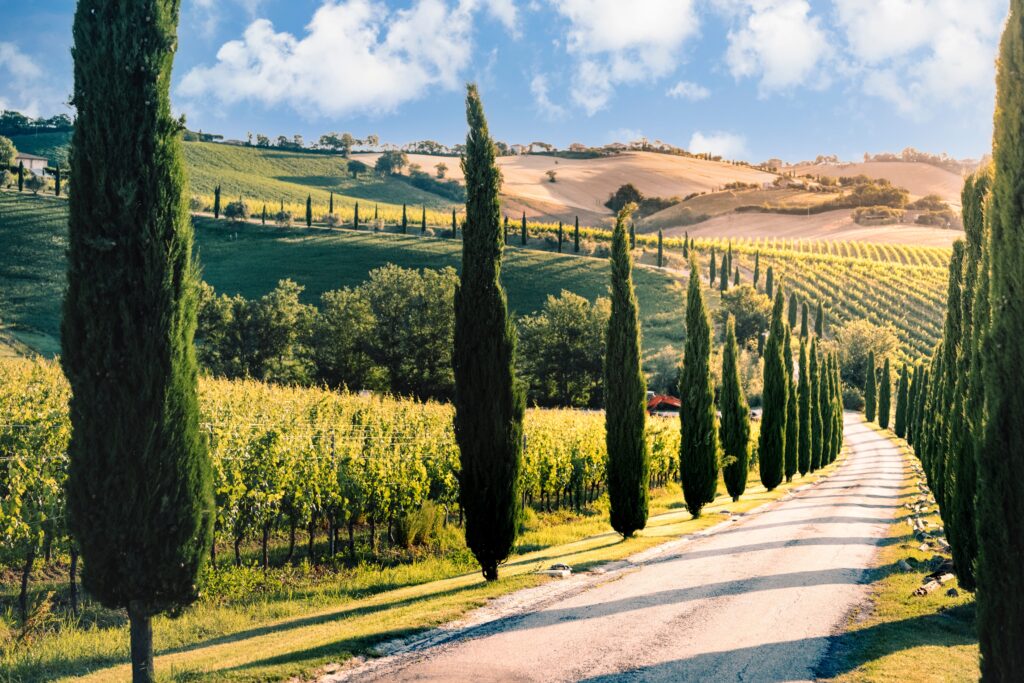
You do not need to choose between a cultural trip and an active one in Le Marche. The coast, hills and mountains sit close enough for a flexible itinerary, while the terrain offers routes for different levels of fitness. Bring walking shoes even if your main plan is the beach. The landscape is most memorable when you move through it at ground level.
The beaches of the Conero Riviera
South of Ancona, the Conero promontory brings wooded slopes down towards coves and clear Adriatic water. Sirolo and Numana are useful bases, while beach access can involve steps or a walk, so check the route before setting out with children or heavy equipment. Go early in summer for a quieter swim, then stay for an evening meal overlooking the coast.
Hiking in the Sibillini Mountains
The Sibillini Mountains suit both short walks and longer outings, with open ridges, beech woods and valleys that change character through the seasons. You should check weather and trail conditions locally, particularly at higher elevations. A mountain day works well as the centrepiece of a longer stay around Macerata, rather than something to squeeze between two city visits.
Cycling routes through the countryside
The inland roads around Macerata offer a mix of rolling climbs, vineyard lanes and longer routes towards the foothills. Road cyclists can link hill towns, while gravel and e-bike riders have more freedom to follow quieter secondary roads. Plan water stops and allow extra time: a short-looking route on a map can include sustained climbs and several tempting village breaks.
A practical countryside ride might include these kinds of stops:
- A small bar for coffee before the first climb.
- A hilltop village for a shaded lunch.
- A local winery or farm shop, where opening hours should be checked in advance.
- A late-afternoon viewpoint before returning to your base.
That pattern keeps the ride connected to the region rather than turning it into a purely athletic exercise. You get a better sense of the landscape when food, conversation and scenery are part of the route.
Caves, gorges and protected natural areas
Gorges and protected areas add another dimension to the region’s outdoor life. In the Sibillini area, wooded paths and rocky ravines can feel surprisingly remote, while caves and river landscapes provide cooler options in warmer months. Wear proper footwear, avoid entering restricted areas and follow local guidance, since conditions can change quickly after rain.
Art, architecture and local culture
Le Marche’s culture is not confined to a single museum or city. It appears in painted churches, opera houses, civic squares and festivals that still belong to local communities. You will often find that the most rewarding visit combines one significant artwork with time spent simply observing how a town is used. That balance keeps the region’s history connected to the present.
Renaissance treasures in Urbino
Urbino remains the essential Renaissance stop, with the Ducal Palace shaping the whole experience. Its rooms, courtyards and collections show how power, scholarship and art came together under Federico da Montefeltro. Raphael’s birthplace adds another layer, but the city is worth visiting even if you are more interested in architecture than painting.
Medieval villages and hilltop fortresses
Across the countryside, villages such as San Ginesio, Sarnano and Loro Piceno retain defensive positions and compact historic cores. Their appeal is often architectural rather than monumental: brick façades, gateways, churches and views over cultivated valleys. Visit on a weekday if you can, when you are more likely to notice the ordinary pace of village life.
Museums, theatres and traditional festivals
Macerata’s Sferisterio is a striking example of how a historic structure can remain part of a living cultural calendar. Other towns hold religious processions, food festivals and seasonal events in their main squares. Check dates before travelling, because a festival can transform a quiet town into a lively and crowded place within a few hours.
The legacy of Raphael and other Marche artists
Raphael’s connection with Urbino is the best-known artistic thread, but it is only part of the picture. Churches and civic collections across the region preserve work by artists linked to local courts, religious institutions and trading cities. Give yourself time to read the smaller labels and ask at local museums; context often makes a modest collection far more rewarding.
What to eat and drink in Le Marche
Food in Le Marche is generous without being showy. The cooking changes as you move from the coast to the hills, but it usually relies on a clear sense of place and good raw ingredients. You should expect pasta, pulses, seasonal vegetables, meat, fish and bread to appear in different combinations. Meals are a useful way to understand the region’s geography.
Olive all’ascolana and other regional specialities
Olive all’ascolana, green olives filled with meat, coated and fried, are the best-known snack from Ascoli Piceno. They are ideal with an aperitivo, though you will also find them served as part of a larger meal. Look for vincisgrassi, a rich baked pasta associated with the Marche, and try local preparations rather than searching for one fixed regional menu.
Fresh seafood from the Adriatic coast
Along the coast, menus turn towards brodetto, grilled fish, mussels and other Adriatic catch. Recipes vary between towns, so it is worth asking what arrived that day instead of choosing only familiar dishes. A simple seafood lunch near Porto Recanati or Civitanova Marche can be one of the easiest ways to give a travel day a distinct local character.
Ciauscolo, pecorino and local produce
Ciauscolo is a soft, spreadable salami traditionally associated with the Marche, while pecorino brings a firmer, savoury contrast. Add olive oil, bread, legumes, truffles when in season and fruit from small farms, and you have the basis of an excellent countryside meal. At a market, buy a little of several things rather than one large souvenir, since freshness matters more than quantity.
Verdicchio and other wines from Le Marche
Verdicchio is the region’s best-known white wine, valued for its freshness and ability to work with seafood as well as richer food. Rosso Piceno offers a deeper red alternative, and many local producers make wines in distinctly different styles. If you visit a cellar, ask about the vineyard, vintage and serving temperature; a short conversation can make a tasting more memorable.
Planning a trip to Le Marche
Planning Le Marche is mostly a question of choosing a sensible base and resisting the urge to overfill each day. The region rewards short drives followed by time on foot, at a table or beside a view. You can create a beach holiday, a cultural break or a walking trip, but the most satisfying itineraries usually mix all three. Leave room for weather and for places that were not on your original list.
The best time to visit for beaches, walking and festivals
Choose June or September for a useful balance of warm days, beach time and manageable conditions on inland walks. July and August bring the strongest demand on the coast and lively festival calendars, while spring is particularly attractive for green hills and changing weather. Autumn suits food-focused journeys, wine visits and mountain scenery, though some seasonal businesses reduce their hours.
How to reach the region and travel between towns
Ancona has rail connections and an airport, while the coastal railway links many larger settlements. A car is generally the easiest choice for hill towns, rural restaurants and mountain trailheads, especially if you are staying inland. From a countryside base near Macerata, expect day-trip times to vary with the road: allow roughly 30 minutes for nearby towns and longer for the Conero coast or Sibillini routes, then check the exact journey before setting off.
Choosing between the coast, countryside and mountains
Stay on the coast if swimming and evening promenades are your priority. Choose the hills around Macerata if you want to combine towns, food and flexible drives, or the mountain area if hiking is the central purpose of the trip. Sileni Hills offers 21 apartments in a restored historic residence with newly built apartments and suites, a pool, green space and breakfast featuring regional products; opening is planned for June 2027, making it a future base for exploring all three settings.
Suggested itineraries for short and longer stays
For three days, pair Macerata with one hill-town day and one coastal outing. With five to seven days, add Urbino or Ascoli Piceno, then reserve a full day for the Sibillini Mountains rather than treating them as a quick viewpoint stop. Over ten days, you can move between the coast and inland countryside, include Recanati and Loreto, and keep several unplanned afternoons.
A simple planning table can help you match the region to your available time:
| Trip length | A balanced focus | Best travel rhythm |
|---|---|---|
| Three days | Macerata, nearby borghi and one coast day | One base, short excursions |
| Five to seven days | Culture, coast, food and one mountain walk | One main base with longer day trips |
| Ten days or more | North and south highlights with countryside time | Two bases or a slow central base |
Use the table as a framework, not a rule. A slower itinerary usually gives you more of what makes Le Marche distinctive: conversations, local meals and the chance to return to a favourite square.
Practical considerations for a more authentic visit
A good trip here depends less on a packed schedule than on choosing accommodation and transport that suit your pace. Rural stays give you space and quiet, while historic centres place you close to evening life and museums. Prices vary widely by season and location, so compare the whole experience rather than only the nightly rate. Small practical choices can make the region feel much more accessible.
Where to stay, from agriturismi to historic hotels
Choose an agriturismo for countryside views, local food and a direct connection with farming life. A historic property in a town suits you if you prefer to walk to restaurants and cultural venues. For a spacious base near Macerata, Sileni Hills is a retreat in Petriolo where you book an individual apartment, with generous green space, a large pool and a regional breakfast planned for its June 2027 opening.
How much a trip to Le Marche may cost
Your budget will depend mainly on season, car hire, the type of accommodation and how often you eat in destination restaurants. You can keep costs moderate with market lunches, village cafés and self-catering breakfasts, then spend more on a special seafood meal or wine tasting. Build in a little extra for parking, museum tickets and tolls on longer drives.
Local etiquette and useful Italian phrases
Greet people when entering a small shop, avoid rushing meals and dress respectfully when visiting churches. English is common in larger tourist settings but less dependable in small villages, so a few Italian phrases are genuinely useful: “Buongiorno” for hello, “Quanto costa?” for asking the price and “Il conto, per favore” when you are ready to pay. A friendly attempt is usually appreciated.
Supporting small businesses and travelling responsibly
Buy food from local producers, follow marked trails and keep noise low in residential villages. Booking directly with small accommodation providers, eating beyond the busiest centres and travelling outside peak weekends can spread your spending more fairly. You can also read the retreat’s regional stories for a closer sense of local traditions and place-led experiences before you arrive.
Conclusion
Le Marche gives you the ingredients of a classic Italian journey without forcing you into a single kind of holiday: you can walk in the Sibillini, swim on the Adriatic, study Renaissance art, eat well and return to the quiet of the Macerata hills. Choose a base that lets you move at an unhurried pace, and the region’s hidden quality becomes less about secrecy than about having time to notice it.
Frequently Asked Questions
Is Le Marche worth visiting for a first trip to Italy?
Yes. You can combine art cities, beaches, mountain scenery and distinctive regional food, while tailoring the pace to a short break or a longer journey.
What is Le Marche best known for?
The region is known for Urbino’s Renaissance heritage, its Adriatic coastline, rolling agricultural hills, the Sibillini Mountains, regional cooking and wines such as Verdicchio.
How many days do you need in Le Marche?
Three days can cover one inland base and a coastal excursion, but five to seven days gives you time for several towns, a mountain day and slower meals.
Do you need a car in Le Marche?
A car is helpful for reaching hilltop villages, rural accommodation, wineries and mountain trails. Trains are more useful along the coast and between larger towns.
When is the best time to visit Le Marche?
Late spring, early summer and September are versatile periods for walking, sightseeing and beaches. July and August suit visitors who want warm coastal weather and busy festivals.
What food should you try in Le Marche?
Start with olive all’ascolana, vincisgrassi, ciauscolo, pecorino, Adriatic seafood and seasonal produce, pairing meals with local wines where available.
Is Le Marche suitable for slow travel?
Very much so. The region’s villages, country roads, markets and varied landscapes reward you when you leave space between visits instead of moving every night.