

Key Takeaways
Macerata’s borghi are best explored at an unhurried pace, with time for both the historic centres and the landscapes around them. Choose a route that suits your interests and check practical details before setting off.
- Cingoli, Treia and San Ginesio each offer a different hill-town character.
- Sarnano, Visso and Ussita bring you closer to the Sibillini Mountains.
- Recanati, Matelica and Tolentino are strong choices for culture and local traditions.
- Pair a few nearby places rather than trying to see the whole province in one day.
- Check transport, opening times and mountain conditions before you travel.
Get to know the character of Macerata’s borghi
The borghi of Macerata province are not all alike: some draw you towards a wide horizon, others towards narrow lanes and a busy piazza. The pleasure is in noticing those differences rather than racing from one landmark to the next. If you’re starting to shape a route, this Macerata borghi guide offers a useful overview. Pick a couple of places that suit your mood, then leave room to linger.
Cingoli for sweeping views across the Marche
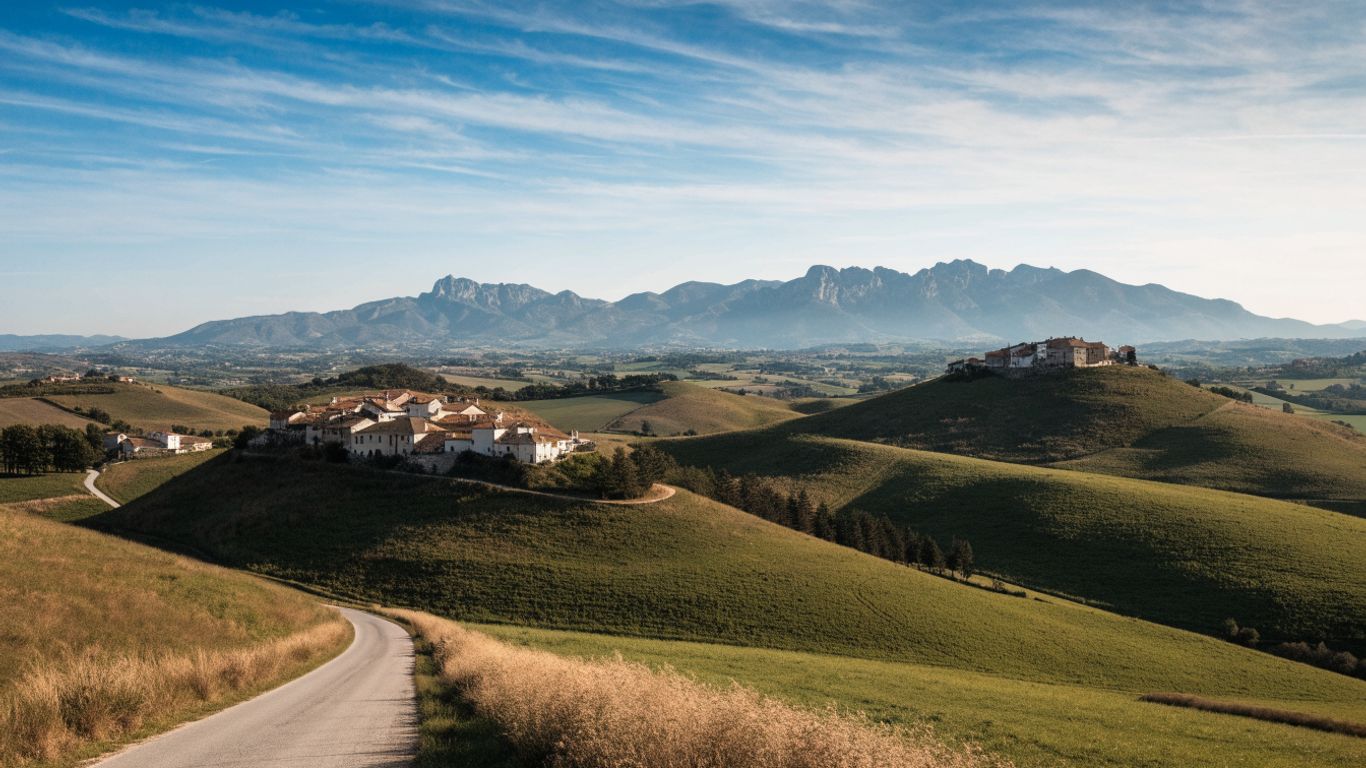
Cingoli is a natural choice when you want a hilltop setting and a broad view over the Marche countryside. Start with a wander through the old centre, then pause at a viewpoint rather than treating the town as a quick photo stop. The scenery changes with the light, so a little unplanned time can be rewarding. On a clear day, the outlook is the main event; the lanes and historic buildings make the walk there worthwhile too.
Treia for historic lanes and lively piazzas
Treia suits a slower visit centred on its historic streets and piazzas. Give yourself time to follow the lanes between open squares, stopping for a coffee or a look at the buildings instead of following a strict route. The town is a good counterpoint to Cingoli: less about seeking one big panorama, more about the feel of a lived-in centre. If you’re combining places, Treia can make a relaxed stop between longer drives.
San Ginesio for medieval charm and mountain scenery
San Ginesio brings together a medieval-looking centre and views towards the mountains. Its setting makes it a pleasing place to pause between the gentler hills and the Sibillini, with time for a walk through the old streets before moving on. Keep your visit flexible: a leisurely lunch or a quiet stretch in the centre may be more memorable than trying to tick off every sight. The surrounding scenery gives the town a distinct sense of place.
Discover villages near the Sibillini Mountains
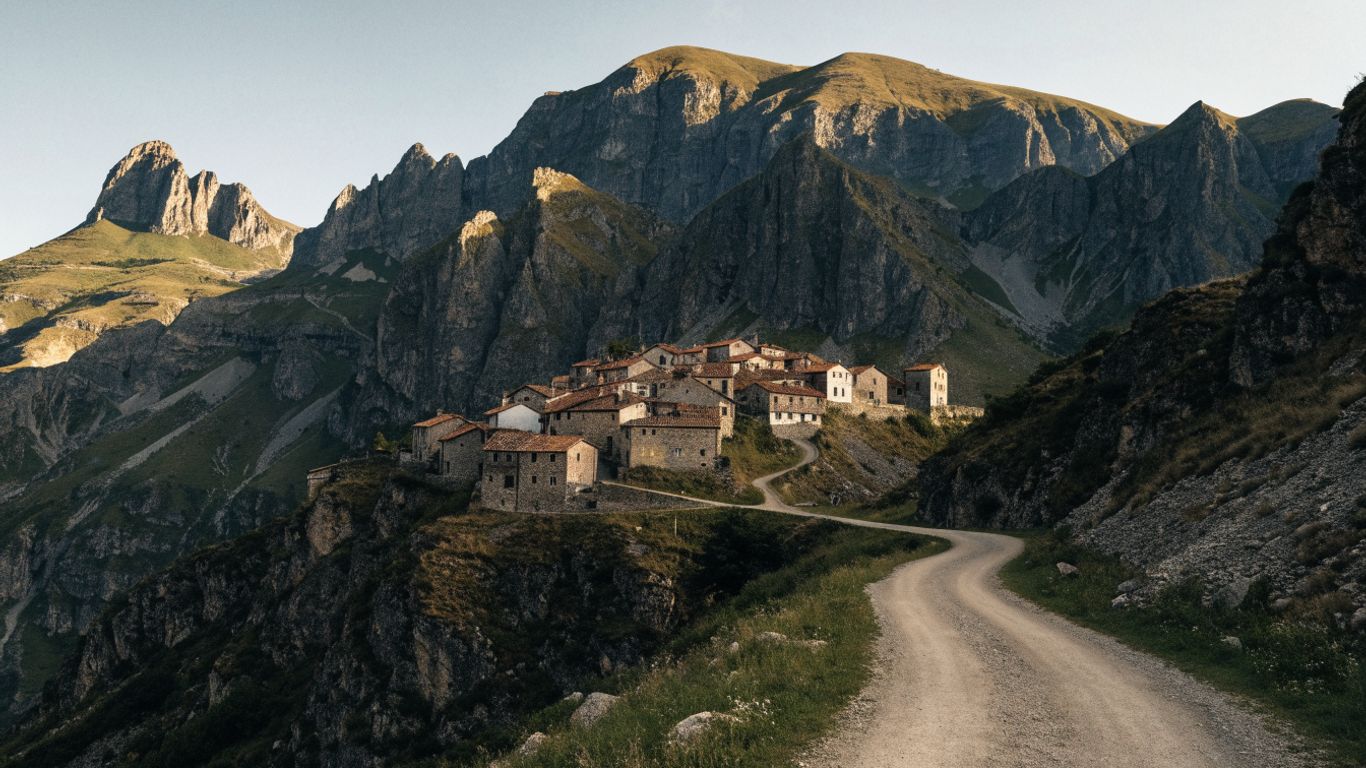
The western part of the province takes you into a more dramatic landscape, where villages sit close to the Sibillini Mountains. This is a good change of pace after the cultivated hills around Macerata: walks, mountain views and winding roads become part of the day. Weather and access can affect plans, so check conditions before you go. Allow a little breathing space, especially if you want to stop along the way.
Sarnano as a base for walks and a wander through the old town
Sarnano works well when you want a village visit and time outdoors in the same day. Begin with a stroll through its old town, taking the side lanes at an easy pace, then decide whether you have time for a walk in the surrounding countryside. The mountain backdrop is part of the appeal, but there’s no need to hurry from the centre straight onto a trail. Leave room for a pause and check local walking information before setting out.
Visso for mountain architecture and access to the national park
Visso offers a mountain-village feel and a practical gateway to the Sibillini Mountains National Park. Give the centre a look before heading further into the landscape; the buildings and setting help make the stop more than a starting point for a walk. Plans in this area can depend on the season and local conditions, so check current access information before travelling. A flexible day makes it easier to adapt if the weather changes.
Ussita for a quieter stop among dramatic landscapes
Ussita is a good choice when you’d rather spend time in the landscape than build a day around a busy list of sights. The surrounding peaks give the area a strong sense of scale, and a short stop can still offer a welcome pause on a mountain route. Keep plans modest and check road and trail conditions in advance. If the weather is clear, allow extra time simply to take in the scenery.
Find art, history and local traditions
The province’s cultural stops offer a different way to understand its towns: through literature, food and religious history. You can build these into a trip without making every day feel like a museum visit. Choose one main interest, then leave time to explore the streets around it. That balance helps the places feel like towns you’ve visited, not just attractions you’ve passed through.
Recanati’s literary landmarks and historic centre
Recanati is closely associated with the poet Giacomo Leopardi, and its historic centre makes a rewarding place to explore on foot. Allow time for the literary landmarks, but also take a route through the streets and open spaces that give the town its character. If you’re planning a cultural day, this guide to Recanati’s walking day can help you think through the sights and pace. Views across the countryside add another reason not to rush.
Matelica’s connection to Verdicchio wine
Matelica is a natural stop if you’re curious about Verdicchio and the local wine-growing landscape. Make the visit more than a tasting by noticing how the town and countryside fit together; vineyards are part of the wider setting, not a separate world. If you plan to visit a producer, check arrangements directly and allow time for the journey. A measured pace suits this kind of visit, particularly if you’re combining wine with a historic centre.
Tolentino’s religious heritage and artisan traditions
Tolentino invites you to look at the province through its religious heritage and local crafts. The Basilica of San Nicola is a key point of interest, while artisan traditions offer another thread to follow through the town. Check which sites and workshops are open before you go, as availability can vary. Pairing a visit with a relaxed meal or a walk through the centre gives the stop more shape than a brief detour.
Plan a route that suits your trip
A good itinerary is less about covering the greatest distance and more about choosing places that fit together. Macerata makes a useful starting point for exploring different parts of the province, but travel times depend on your route and the roads you choose. Keep daily plans realistic and allow for pauses. If you’re looking for broader ideas, these places near Macerata can help you weigh up cultural and landscape stops.
Choose a day trip from Macerata
For a day out, choose one area rather than trying to cross the province several times. Cingoli pairs well with a hill-town visit, while Recanati makes sense if you’re drawn to literary heritage. Use this simple comparison to decide what kind of day you want; it’s a starting point, not a timetable.
| Day-trip focus | A place to consider | The feel of the visit |
|---|---|---|
| Hilltop views | Cingoli | Historic lanes and wide horizons |
| Literary heritage | Recanati | Landmarks and a walk through town |
| Mountain scenery | Sarnano | Old-town streets and nearby outdoors |
Pick the option that matches your energy and interests, then check journey details before setting off. A single well-paced town can fill a day more pleasantly than several hurried stops.
Link nearby villages for a relaxed weekend
With a weekend, you can connect places without turning every hour into a transfer. Sileni Hills is planned as a retreat in Petriolo and a base for exploring Macerata, the borghi and the wider Marche; it is due to open in June 2027. For a gentle two-day route, consider a sequence such as:
- Spend the first part of the trip among hill towns such as Treia or Cingoli.
- Set aside a separate day for Recanati and its literary landmarks.
- Head towards Sarnano if mountain scenery is your priority.
Choose just a few stops and let meals and walks set the pace. You’ll come away with a stronger feel for the region than if you try to fit every name on a map into one weekend.
Allow extra time for mountain roads and scenic stops
Mountain journeys can take longer than a map suggests, particularly when you want to stop for views or conditions change. Treat drive times as estimates and check your route on the day. Short breaks matter too: a village square, a viewpoint or a quiet stretch of road can become part of the experience. If your plan feels tight before you leave, remove a stop rather than rushing through the places you’ve chosen.
Pick the right season for your visit
Each season changes the balance between town time and outdoor plans. Spring and autumn can suit walking and countryside drives, while summer brings more chances to spend time outdoors. Winter calls for extra care in the mountains. Conditions vary, so check local information close to your travel dates and keep an alternative in mind.
Enjoy spring walks and countryside views
Spring is a lovely time to mix a walk with a visit to a historic centre. The countryside offers a fresh setting for an easy drive, and cooler days can make wandering on foot comfortable. Build your plans around daylight and current trail conditions rather than assuming every route will be open. A flexible itinerary lets you swap a longer walk for a slower afternoon in a village if the weather turns.
Make the most of summer festivals and outdoor cafés
Summer suits long evenings, outdoor cafés and local events, though popular dates can bring busier streets. Look up festival schedules before you travel and confirm details locally, as programmes can change from year to year. When Sileni Hills opens in June 2027, its planned pool and green space will offer another way to pause between outings. Keep the day light enough to enjoy the evening rather than arriving worn out.
Check winter conditions before heading into the mountains
Winter can bring a quieter atmosphere, but mountain weather and road conditions need attention. Check forecasts and local access updates before leaving, and be prepared to change direction if conditions are poor. Some sights or businesses may keep different seasonal hours, so verify details directly. If the mountains are not suitable that day, a town visit offers a useful alternative without needing to abandon the trip.
Sort out practical details before you go
A little preparation makes hill towns and mountain routes easier to enjoy. Check how you’ll get between stops, where you can park and which sights are open on your chosen day. Historic centres often reward walking, so plan for a short uphill stretch or uneven paving. Keep the itinerary adaptable, especially when weather or seasonal opening hours could affect your plans.
Decide whether to travel by car or public transport
A car gives you more flexibility for linking villages, countryside viewpoints and mountain stops, while public transport may suit a trip focused on selected towns. Services and connections vary, so check current timetables before relying on them. Sileni Hills is planned as a 21-apartment retreat in Petriolo, with a high-quality breakfast and regional products; when it opens in June 2027, consider how your transport plans fit the places you want to visit.
Check parking and walking routes in hilltop centres
Before driving into a hilltop town, look up parking options and whether the historic centre has restricted vehicle access. From the car park, expect to explore on foot; comfortable shoes help on sloping or uneven streets. Choose a meeting point if you’re travelling in a group, then take the lanes at a relaxed pace. A short walk is often part of the visit, not an inconvenience to work around.
Confirm opening times for sights, museums and restaurants
Opening hours can vary by day and season, so check directly with a sight, museum or restaurant before building your plans around it. This is particularly useful if you have a specific cultural stop in mind or are travelling outside the busiest months. Sileni Hills is planned to offer regional products as part of its breakfast; check its current information closer to your travel dates for details after opening.
Conclusion
The best way to explore the borghi of Macerata province is to leave enough time for the places between the landmarks. Choose a hill town for its views, a mountain village for its landscape, or Recanati and Tolentino for a cultural thread through your trip. Then keep the route manageable, check local conditions and let a good meal or an unplanned pause take its place in the day. You don’t need to see everything to get a feel for the Marche; a few thoughtful stops can be plenty.
Frequently Asked Questions
Which borghi are worth visiting in Macerata province?
Cingoli, Treia and San Ginesio are good choices for hilltop settings and historic centres. Sarnano, Visso and Ussita suit visitors drawn to the Sibillini Mountains, while Recanati offers literary heritage. Choose according to your interests and available time.
Can you visit the borghi on a day trip?
Yes. A day trip works best when you choose one area or a small number of nearby stops. Check the journey and opening times in advance, then leave room for a meal, a walk and unexpected delays rather than packing the day too tightly.
Is a car useful for exploring the villages?
A car can make it easier to connect smaller towns and mountain areas, especially when you want to stop at viewpoints. Public transport may work for selected routes, but check current services and timetables before planning around them.
What should you see near the Sibillini Mountains?
Sarnano, Visso and Ussita each offer access to mountain scenery, with different village settings. Check road, trail and weather conditions before heading out, and keep an alternative plan in case access or the forecast changes.
When is a good time to visit Macerata’s borghi?
Spring and autumn can be pleasant for walking and countryside views; summer offers outdoor cafés and local events. Winter visits can still be rewarding, but mountain conditions and seasonal opening hours need checking close to your trip.
How much time should you allow for a village visit?
Allow at least a few hours to explore a centre at an easy pace, and longer if you plan a walk, museum visit or meal. Mountain routes and scenic stops can add time, so avoid planning several distant places in one day.
What should you check before visiting a hilltop centre?
Check parking, vehicle access and walking routes, as historic centres may have restricted access and steep or uneven lanes. Confirm opening times for sights and restaurants, and carry comfortable shoes for exploring on foot.