

Key Takeaways
Marche is easiest to enjoy when you balance time in its towns with the coast and the mountains. Choose a pace and base that leave room for detours.
- Give the region several days if you want to combine towns, countryside and coast.
- Build your route around a few places rather than trying to cover the whole region.
- Check seasonal opening times and beach facilities before travelling.
- Try local pasta, seafood, olive dishes and wines such as Verdicchio.
- Use trains for coastal stops and consider a car for hill towns and mountain walks.
Plan your trip to Marche
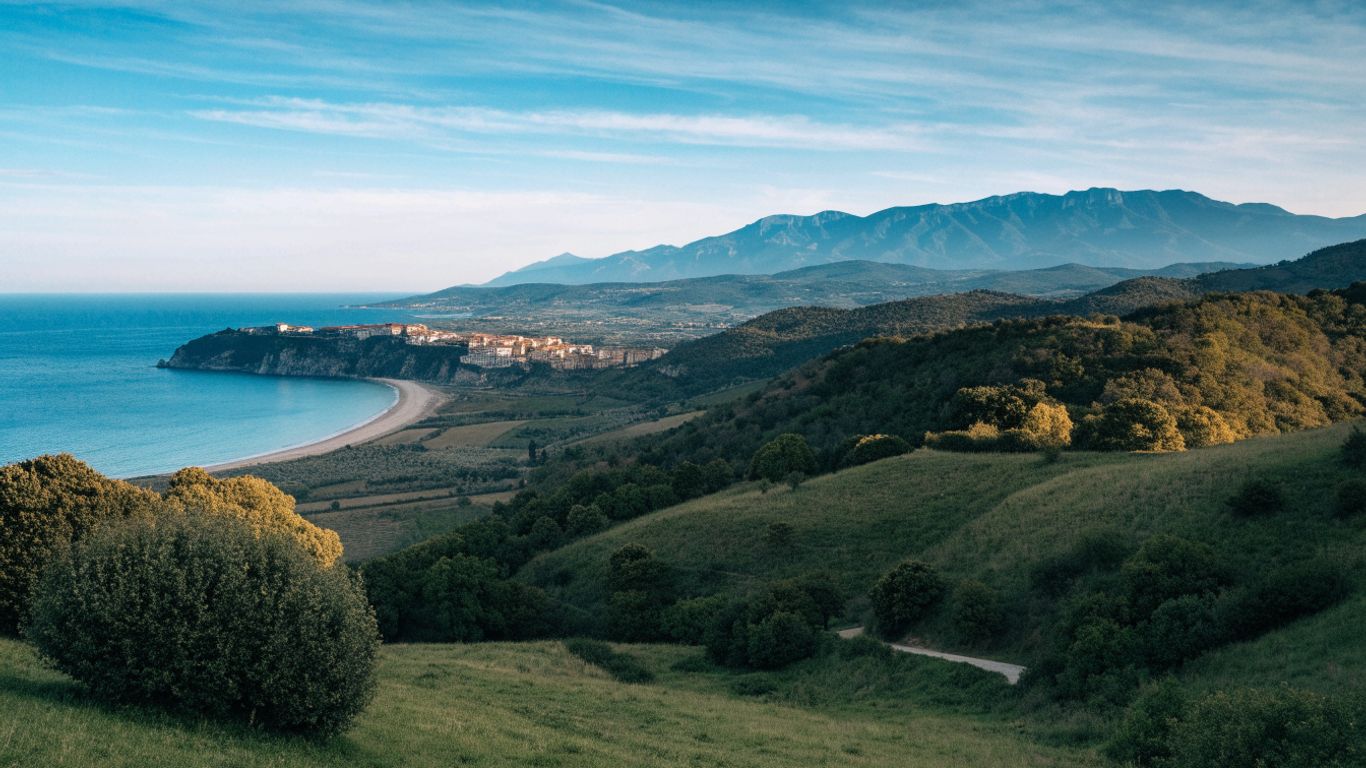
A Marche travel guide works best as a starting point, not a race through a list of sights. The region stretches from the Adriatic to the Apennines, with historic towns and countryside between them. This guide to the Marche region gives you a broader sense of how coast, hills and mountains fit together.
Choose the best time of year for your visit
Spring and early autumn are useful seasons for walking around towns and exploring the countryside in milder weather. Summer suits beach days, though coastal resorts are busier and mountain conditions can differ from the shore. Check local forecasts and opening times before you settle on dates.
Decide how many days to spend in the region
A long weekend gives you time for one city and a nearby excursion; a week lets you combine several landscapes without changing base every night. Use this rough guide to judge what feels realistic:
| Time | A manageable focus | A good fit for |
|---|---|---|
| 2–3 days | One town and nearby sights | A short break |
| 4–5 days | Towns plus coast or countryside | A first visit |
| 6–8 days | Several bases and varied days | A slower journey |
Treat these as planning prompts rather than a checklist. Distances on winding inland roads can make a short map journey take longer than expected.
Build an itinerary around your interests
Start with the experiences you most want, then add nearby places rather than zigzagging across the region. A few natural combinations can help you shape the trip:
- Pair Urbino with nearby hill towns and countryside.
- Combine Ancona with a stretch of Adriatic coast.
- Set aside a day for the Sibillini if hiking is a priority.
- Leave an unplanned afternoon for a market, meal or walk.
That last gap is often what makes a trip feel like time away rather than a series of transfers.
Know what to book ahead
Reserve accommodation and popular summer stays well in advance, especially if you have fixed dates. For hikes, cave visits or winery tours, check whether advance booking is needed and whether seasonal schedules apply. Sileni Hills is a 21-apartment retreat in Petriolo scheduled to open in June 2027, so keep its opening date in mind when planning a future stay.
Discover Marche’s historic towns and cities
The region’s towns are rewarding at walking pace: arrive early, explore the centre, then pause for lunch before setting off again. You’ll find very different moods between university streets, grand squares and working port neighbourhoods. Allow time to look beyond the most famous sights.
Explore the art and architecture of Urbino
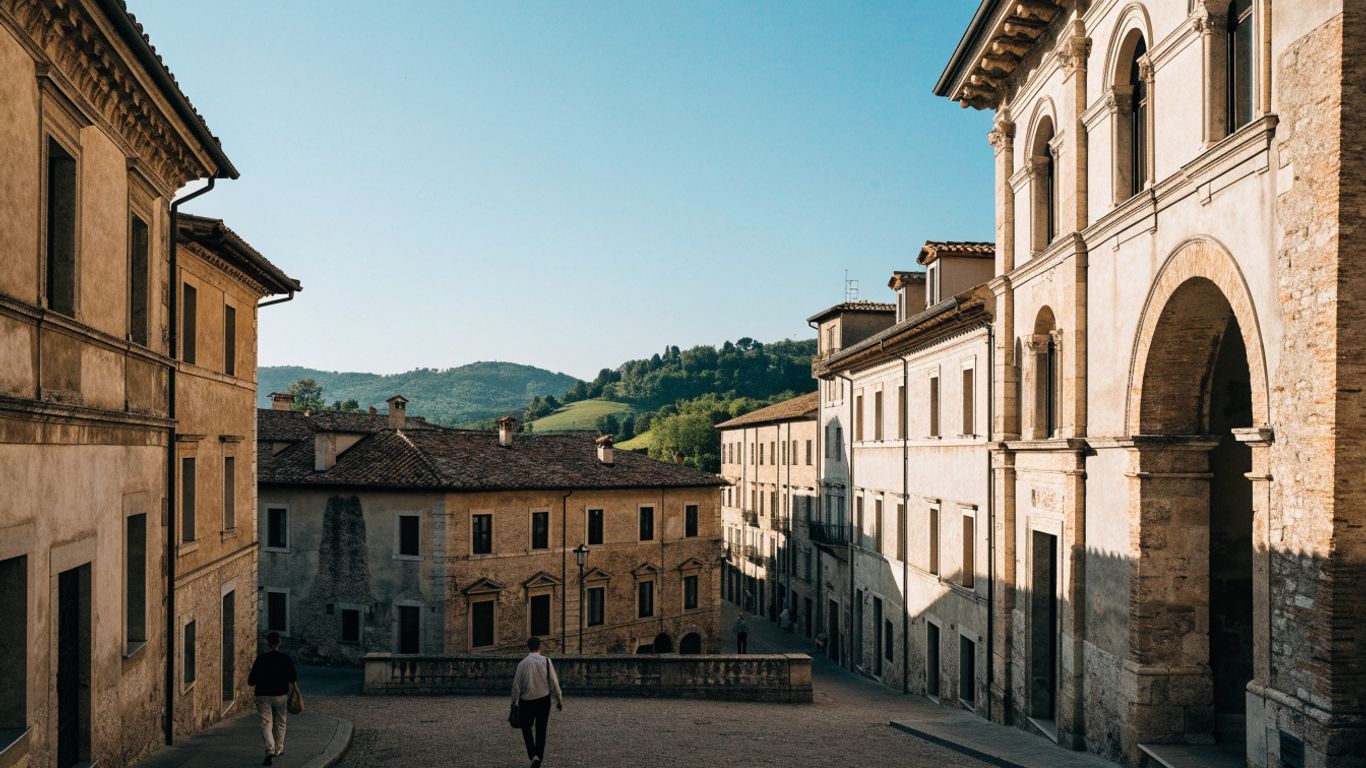
Urbino’s historic centre is known for Renaissance architecture and its hilltop setting. Give yourself time to walk the steep lanes between major sights; the changing views are part of the visit. Comfortable shoes help, and an overnight stay makes it easier to enjoy the quieter hours.
Wander the old town of Ascoli Piceno
Ascoli Piceno’s historic centre is a pleasure to explore on foot, with stone architecture and inviting piazzas. Make time to sit down for a coffee or a local snack instead of treating the town as a quick photo stop. The central streets are best enjoyed without a tight schedule.
Visit Ancona for museums, markets and harbour views
Ancona combines a working port with museums, markets and views over the Adriatic. Plan a walk through the centre and along the harbour, then choose a museum or market that suits your interests. For more ideas on its landmarks and waterfront, see this Ancona harbour guide.
Seek out smaller hill towns such as Offida and Jesi
Smaller towns bring a slower rhythm and a closer look at everyday life. Offida and Jesi make good additions if you have time beyond the main cities; check transport and opening hours before setting off. Choose one or two rather than squeezing in every stop.
Make the most of the Adriatic coast
The coast offers more than a single kind of beach day. You can choose lively resort promenades, quieter stretches or coves framed by steep slopes, depending on where you go and the season. Leave room for a swim and a slow meal rather than packing the day too tightly.
Choose between lively resorts and quieter beaches
Larger resorts suit you if you want cafés, promenades and facilities close at hand. Smaller beaches can feel more secluded, but may involve a walk or less convenient access. Decide what matters most—ease, space or a livelier atmosphere—and check conditions locally.
Visit the Conero Riviera and its coves
The Conero Riviera is known for its coastal scenery and coves. Some beach visits involve walking down from higher ground, so wear shoes you can manage on uneven paths and take water. Check access arrangements before travelling, particularly during the busy season.
Explore seaside towns such as Senigallia and Fano
Senigallia and Fano give you a chance to combine a beach visit with a town stroll and a meal. They make easy additions to a coastal itinerary, especially if you prefer to break up time on the sand. Look up seasonal events if you want to catch the local mood.
Check local beach access and seasonal facilities
Facilities, access and services vary from beach to beach and can change with the season. Before setting out, check local information for opening dates, parking and any walking required to reach the water. A little preparation helps you choose the right spot for the day.
Explore the countryside and mountains
Inland, the scenery shifts from rolling hills to the Apennines and higher mountain landscapes. This is the part of Marche to slow down, plan around daylight and leave some flexibility for weather. A countryside day can pair well with a nearby village or a relaxed meal.
Hike in the Sibillini Mountains
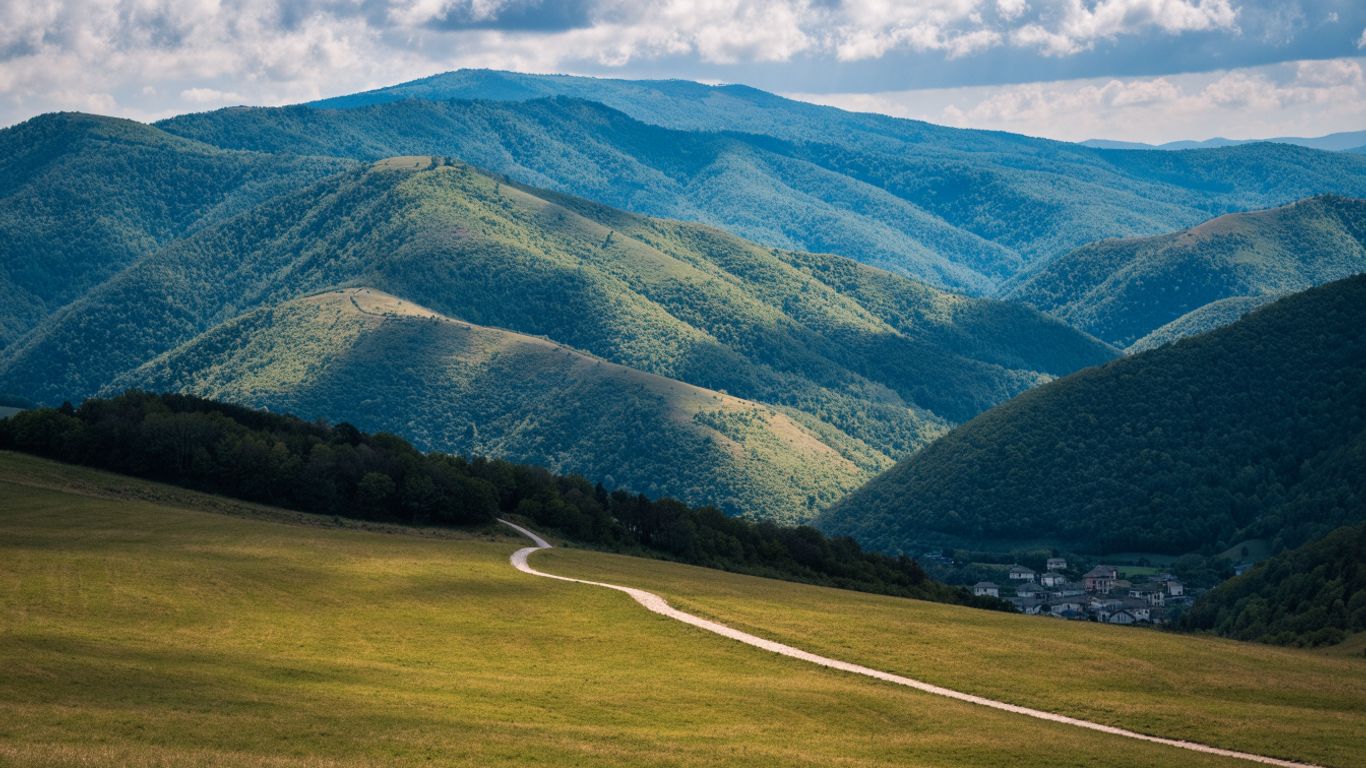
The Sibillini offer a striking setting for walking, with routes to suit different levels of experience. Choose a route that matches your fitness and check current trail conditions before leaving. Carry water, suitable layers and a map; mountain weather can turn quickly.
Visit the Frasassi Caves
The Frasassi Caves offer a change of pace from outdoor walks, with impressive underground chambers. Check current visiting arrangements and allow time for the journey as well as the visit itself. Pairing the caves with a nearby town can make a satisfying day out.
Discover villages in the Apennines
Mountain villages reward an unhurried visit: walk the centre, take in the surrounding landscape and stop for a meal if time allows. Choose villages that fit your route rather than treating them as brief roadside stops. A car can make these quieter places easier to combine.
Plan for winding roads and changing mountain weather
Inland journeys can take longer than the distance suggests, especially on smaller roads. Check forecasts, allow extra time and keep a warmer layer in your bag. If the weather changes, a town visit or a long lunch can be a better plan than forcing a hike.
Taste your way through Marche
Food is one of the simplest ways to get a feel for the region. Look for local dishes on menus, ask what is in season and give meals enough time to be more than a stop between sights. Local wines and regional products make natural companions.
Try regional pasta, seafood and olive dishes
Marche’s position between coast and countryside gives you plenty to explore at the table, from seafood to pasta and olive dishes. Ask what is made locally and what is seasonal rather than ordering the same familiar meal everywhere. Sileni Hills is planned to offer a high-quality breakfast featuring regional products.
Sample local wines such as Verdicchio and Rosso Conero
Verdicchio and Rosso Conero are two local wines to look out for. Try them with regional food, or arrange a winery visit if it fits your route. This Marche wine tasting guide can help you think through vineyard visits and food pairings.
Look for seasonal specialities and food festivals
What appears on menus can vary with the season, so ask about local specialities when you arrive. Food events can be a lively way to sample regional cooking, but check dates before building your itinerary around one. A market visit is another easy way to see what’s in season.
Find out what to expect at a traditional agriturismo
An agriturismo gives you a chance to stay or eat in a rural setting, often with a connection to local produce. Check what meals are offered and whether you need to reserve. It can be a lovely fit for a slower countryside day, particularly if you plan transport in advance.
Get around and choose where to stay
Your choice of base affects how much time you spend travelling each day. Trains can work well for some coastal connections, while inland villages and mountain routes may call for a car. Choose accommodation to suit the shape of your trip rather than trying to make every place equally close.
Compare trains, buses and car hire
Trains connect some towns along the coast, while bus services can help with selected inland journeys. For flexible stops in the countryside, consider hiring a car and check the route and parking before you set off. Timetables vary, so confirm connections close to your travel date.
Pick a base that suits your itinerary
Choose a coastal base for beach time, a city base for museums and walking, or an inland base for villages and mountain excursions. Sileni Hills, in Petriolo, is planned as a retreat with 21 apartments in a restored historic residence and newly built apartments and suites. Its setting may suit a trip centred on Macerata and the surrounding countryside.
Understand parking and driving in historic centres
Historic centres often have restricted traffic areas and limited parking, so check where you can leave a car before driving into town. A car park on the edge of the centre can make the visit simpler. Once parked, explore on foot and avoid assuming that every lane is open to traffic.
Pack for beaches, towns and countryside walks
Pack for the mix of days you actually plan, with comfortable walking shoes and layers for cooler inland weather. Beach shoes and sun protection are useful in summer; a light waterproof layer is sensible for walks. Leave space for a market find or a bottle of local wine.
Conclusion
Marche is a region to experience in layers: a city walk, a beach afternoon, a mountain trail and a meal shaped by local ingredients. You don’t need to see everything in one visit. Choose a few places that fit together, allow more time for inland journeys and keep some space for the unexpected. With a thoughtful base and a pace that suits you, the region’s variety becomes easier to enjoy rather than a list to complete. Start with what you most want to do, then let the rest of the itinerary grow around it.
Frequently Asked Questions
If you’re deciding how to shape your trip, these quick answers cover a few common planning questions.
How many days do you need in Marche?
Three days can give you a taste of one town and its surroundings. With five to seven days, you can combine historic towns with either the coast or countryside at a more comfortable pace. Add time if you want to include both the Adriatic and mountain areas.
Is Marche a good destination for a first trip to Italy?
Yes, especially if you want to explore historic towns, countryside and coast in one region. Plan transport carefully and focus on a manageable area rather than trying to see all of Italy from one base. A few well-chosen stops make the trip easier to enjoy.
Do you need a car to visit Marche?
Not always. Trains can serve some coastal journeys, and buses connect selected towns, but a car offers greater flexibility for smaller inland villages and mountain areas. Check routes and timetables before deciding, and consider where you’ll park at each stop.
What is the best time of year to visit Marche?
Spring and early autumn are useful for walking and exploring towns in milder weather. Summer is a natural choice for beach days, although popular coastal areas can be busier. Check local conditions and opening times for the places you plan to visit.
Which towns should you visit in Marche?
Urbino, Ascoli Piceno and Ancona each offer a different experience, from Renaissance architecture to historic piazzas and harbour views. You can add smaller towns such as Offida or Jesi if time allows. Choose places that fit together geographically.
What food is Marche known for?
You can look forward to regional pasta, seafood, olive dishes and local wines such as Verdicchio and Rosso Conero. Menus and specialities change with the season, so ask what is local when you sit down. Markets are another good place to spot regional produce.
Can you combine the coast and mountains in one trip?
Yes, though the journey between places can take longer than the map suggests. Give yourself enough days and avoid planning a beach morning and a demanding mountain walk on the same tightly scheduled day. A flexible itinerary makes the combination more rewarding.