

Key Takeaways
Slow travel in Italy is less about seeing everything and more about giving a few places your attention. A thoughtful base, lighter plans and everyday experiences can make a trip feel richer.
- Choose fewer destinations and stay long enough to settle in.
- Pick a base that suits your interests and the season.
- Leave open time between planned visits and journeys.
- Use local transport where it works, and hire a car when it genuinely helps.
- Eat, walk and explore with curiosity and respect for local life.
What slow travel in Italy means
Slow travel is a way to experience Italy without turning each day into a race between landmarks. You choose a manageable area, then give its places, food and routines time to come into focus. That can mean fewer stops, but more memorable moments.
Spend more time in fewer places
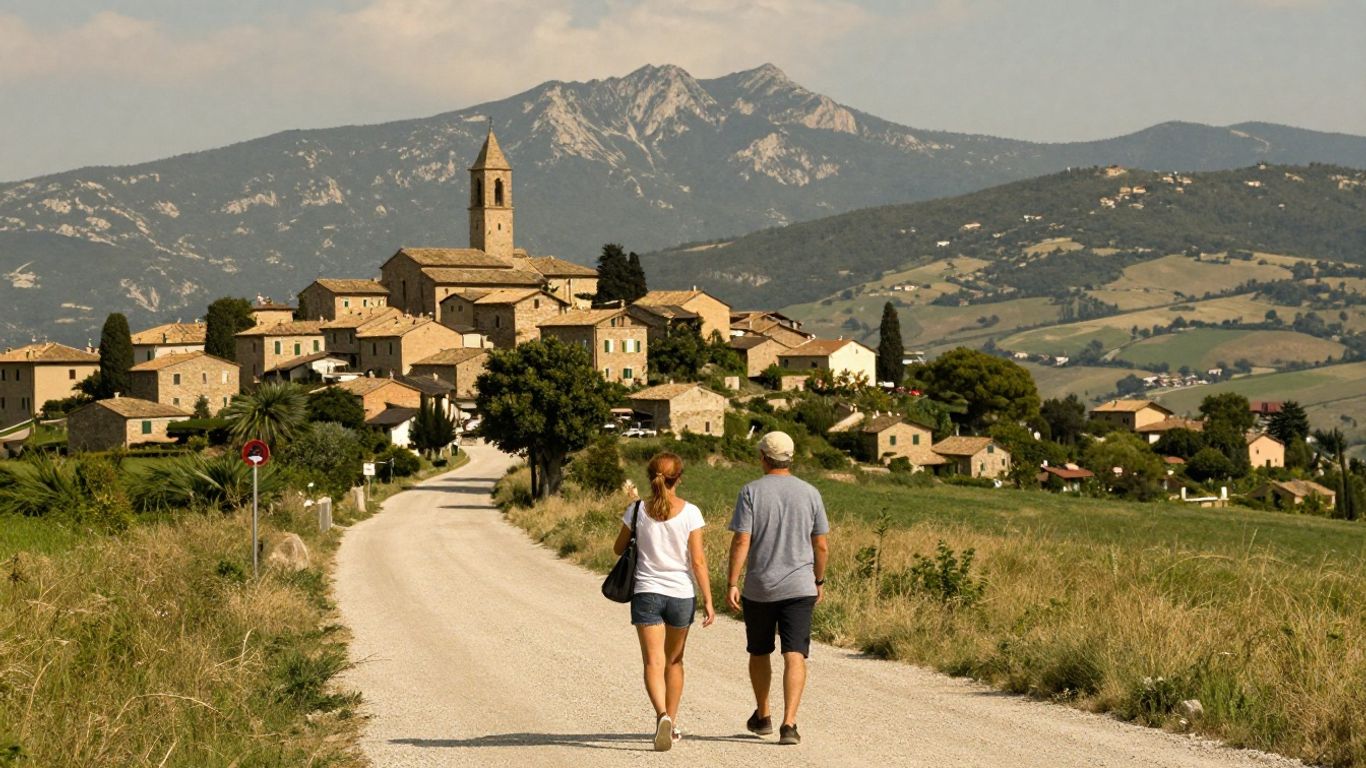
Rather than changing accommodation every night, choose one or two bases and stay several nights in each. You’ll spend less time packing and navigating, and more time learning the neighbourhood: where to get coffee, which streets feel pleasant in the evening, and what you’d like to see twice. That rhythm suits a region such as Le Marche, where a base can connect you with historic towns, countryside and coast. Browse Le Marche’s varied landscapes as you consider what kind of days you want.
Make room for everyday local life
A trip doesn’t need to be filled from morning to night. Take a longer lunch, pause in a square or visit a small food shop without a strict schedule. Those ordinary moments can help a place feel less like a backdrop and more like somewhere people live. Be considerate in residential streets, follow local customs and remember that shops and cafés may keep different hours from those you’re used to.
Choose experiences over packed sightseeing lists
Before adding another attraction, ask what you’d actually enjoy remembering. A slow walk through a town, time at a market or an unhurried meal may be more rewarding than squeezing in a third museum. You can still see celebrated sights; just leave space around them. For more ideas on travelling through landscapes, villages and food traditions at a gentler pace, explore these slow travel stories.
Choose the right Italian base
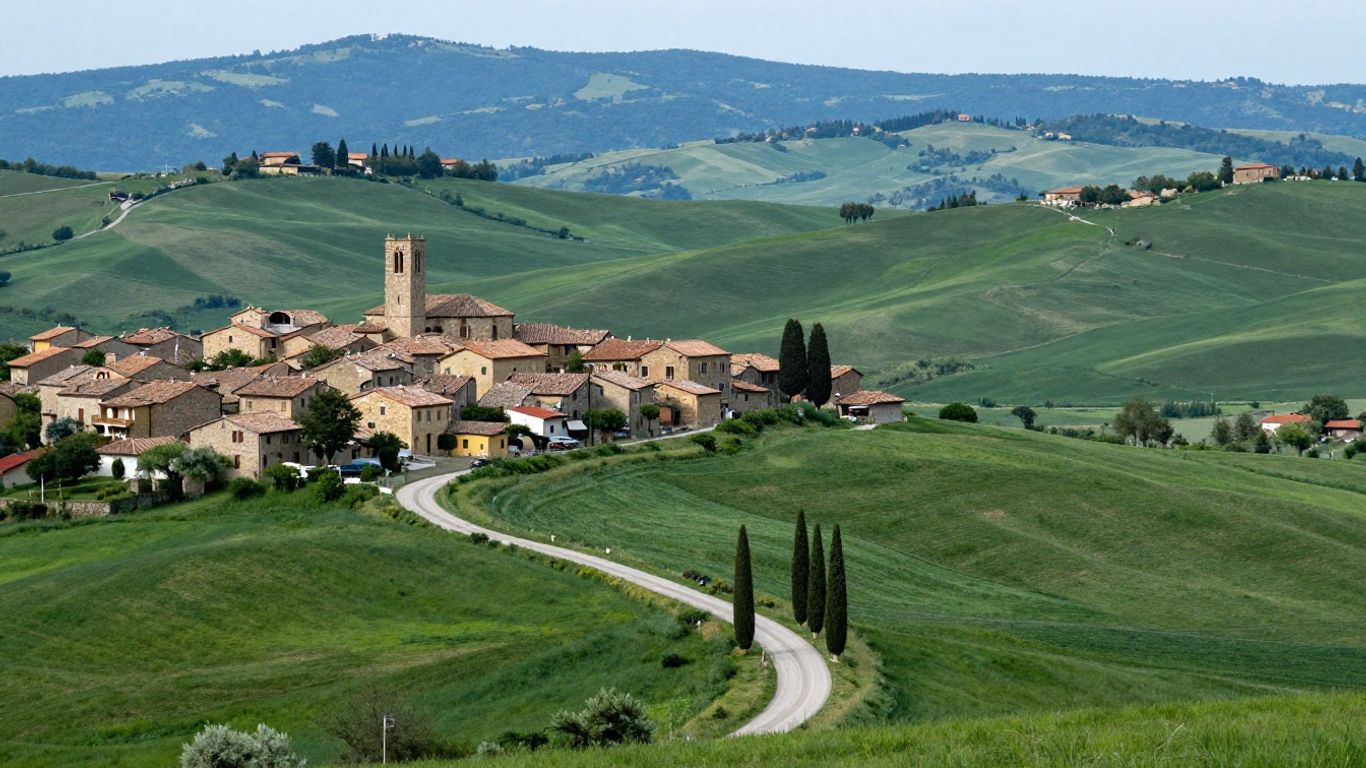
The best base is not necessarily the most famous place on the map. Think about what you want nearby, how you’ll get around and whether you prefer a lively centre or a quieter setting. In Le Marche, you can combine historic towns, rural landscapes and the Adriatic coast without making the whole trip about one kind of experience.
Match a destination to your interests
Start with the days you hope to have: art and architecture, walking, cycling, food, or a mix. Macerata offers a historic centre and the Sferisterio; Recanati brings literary history, while the Monti Sibillini and Adriatic coast offer different outdoor settings. Sileni Hills is a 21-apartment retreat in Petriolo, in the province of Macerata, planned as a base for exploring the region. It is due to open in June 2027.
Compare towns, cities and rural stays
A city base puts cafés, museums and evening options close at hand; a small town may feel quieter, while a rural stay can offer more space between outings. Compare the trade-offs before choosing, especially if you won’t have a car. This simple guide can help you picture the kind of day each setting supports:
| Base | A good fit if you want | Consider |
|---|---|---|
| City | Museums, dining and urban walks | More activity and traffic |
| Small town | A compact centre and local routines | Fewer late-opening options |
| Countryside | Quiet surroundings and open space | Longer trips to some sights |
Use the table as a starting point, not a rule. A countryside base can work well when you’re happy to plan transport, while a town may suit you if spontaneous evening walks matter more.
Check seasonal events and opening times
Opening days and transport options can vary, so check them before you build a day around a particular museum, market or performance. If you’re interested in Macerata’s Sferisterio, for example, look up the programme for your dates rather than assuming an event will be on. Keep a nearby alternative in mind, too; that way a closed door needn’t derail the day.
Plan an itinerary with breathing room
A useful itinerary gives each day a shape without dictating every hour. Choose a few priorities, then leave room for a long meal, a change in the weather or a place you hadn’t planned to visit. The aim is not to do less for its own sake; it’s to be present for what you choose.
Build a trip around one or two regions
Pick a region or two that fit the time you have, then use them as the frame for your plans. In Le Marche, you might pair time in Macerata with a visit to Recanati or a day towards the coast, rather than crossing the country between overnight stops. Sileni Hills is planned as a retreat from which to explore Macerata, nearby borghi, the Sibillini and the Adriatic coast; choose outings according to your own pace and interests.
Allow time for unplanned discoveries
Leave at least part of a day unscheduled. You might find a viewpoint worth lingering at, notice a local event or simply want another coffee before setting off. A loose plan is easier to adapt than a packed one, especially when you’re relying on buses or regional connections. Keep a short list of optional stops, but treat it as inspiration rather than a set of tasks.
Balance well-known sights with quieter places
Popular sights can be worth seeing, but they don’t have to fill the whole itinerary. Pair a headline visit with a walk through a nearby neighbourhood or a slower stop in a smaller town. In Le Marche, the mix of towns and countryside gives you options beyond the best-known landmarks. Check travel times before combining places, and resist adding one more stop just because it looks close on a map.
Get around at a slower pace
Transport choices shape how a trip feels. Trains can make longer journeys between cities straightforward, while local buses, walking and cycling suit shorter explorations where routes allow. In rural areas, connections may be less frequent, so check the practical details before deciding whether a car would make your plans easier.
Use trains for journeys between cities
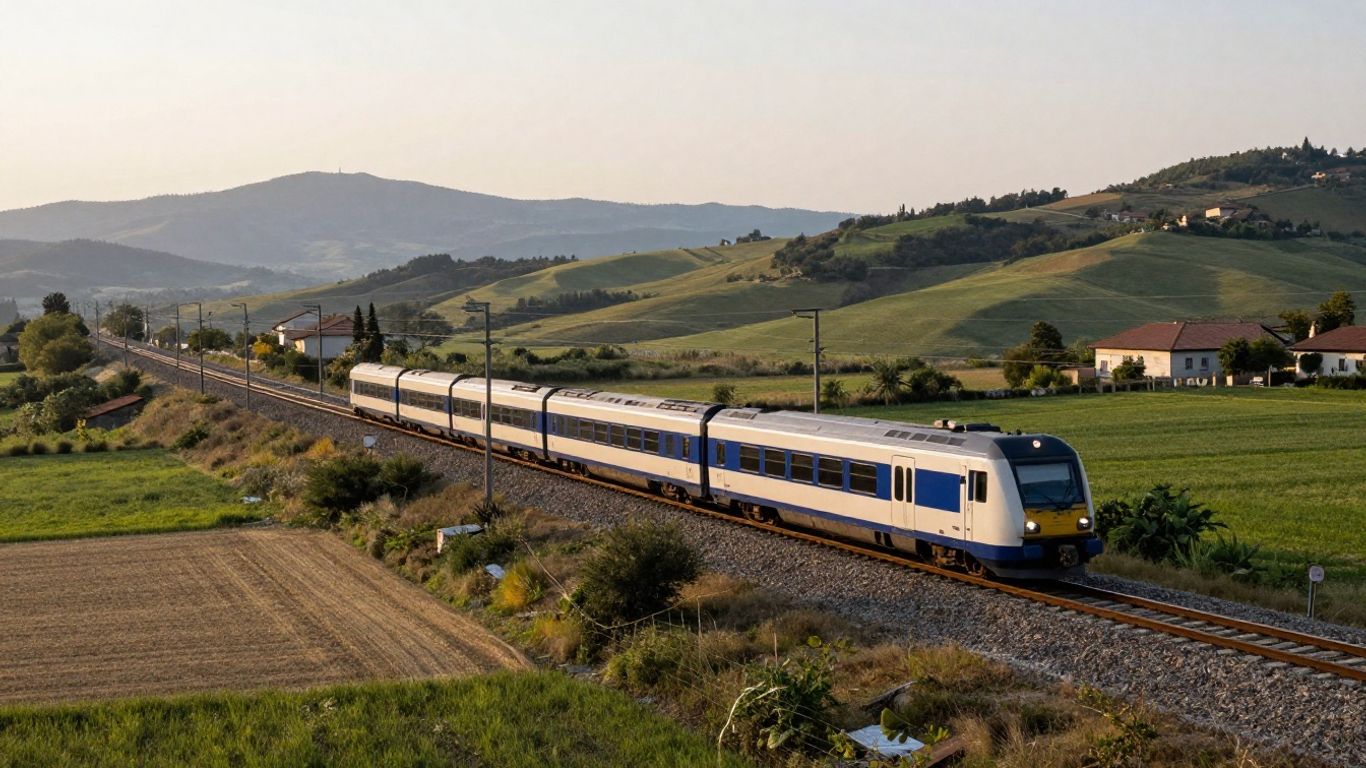
For longer journeys between cities, look at train routes before booking accommodation or day trips. Check the station locations, service times and how you’ll make the last part of the journey. A train can give you a break from driving, but it won’t necessarily reach every small town or rural destination. Build in enough time for changes and avoid making a tight connection the centrepiece of your day.
Explore locally by bus, bike or on foot
For a day close to your base, try walking or cycling where the terrain and roads suit you. Buses can connect towns, though schedules may call for advance planning. If you’re choosing a bike ride, match the route to your confidence and the landscape rather than judging distance alone. A few useful checks make local travel easier:
- Look up the return journey before setting out.
- Check whether a route includes steep climbs or busy roads.
- Carry water and allow time for stops.
- Keep a backup plan for limited services.
These small preparations leave you freer to enjoy the journey. If a connection doesn’t fit, shorten the outing instead of turning a relaxed day into a race.
Decide when a car is worth hiring
A car can help when your plans include scattered villages, trailheads or rural places with limited public transport. It may be unnecessary if you’re staying in a walkable town and visiting larger centres by train. Compare the full journey, including parking and the time spent driving, before you decide. You can also hire a car for just part of a trip rather than keeping one throughout.
Connect with local food and culture
Food and local customs give a trip its texture, especially when you make time to notice what’s in season and how people use a place. Seek out everyday experiences as well as special outings. You don’t need a packed programme: a market visit, a local walk and a few friendly phrases can open up a more personal view of the region.
Shop at markets and eat in neighbourhood spots
Markets are a good place to see what’s in season, while a neighbourhood café or trattoria can make a natural pause between visits. Try regional dishes when you see them, and ask what is available that day. Mealtimes may not match your usual routine, and some places close between services. A little flexibility helps you eat well without spending the day chasing a specific address.
Join a cooking class, walk or local tour
A guided walk or cooking class can add context that you might miss on your own. Choose an activity that leaves room to ask questions and suits the time you have, rather than stacking several tours into one day. Check what is included and where it begins before booking. A locally rooted experience can be a satisfying focus for the day, followed by unplanned time nearby.
Learn a few Italian phrases and customs
A few simple Italian phrases can make everyday exchanges warmer: greet people when you enter a small shop, say grazie and ask politely if you need help. You don’t need fluent Italian to show care. Speak patiently, follow local cues around queues and table service, and remember that a friendly attempt is often more useful than expecting everyone else to adapt to your habits.
Prepare for a smoother, more responsible trip
A little preparation can make a slower itinerary feel easier, not more rigid. Think about where your spending goes, when you travel and how much room you need for changes. Choosing an independent pace also means accepting that weather, local schedules and transport can shape the day.
Book accommodation that supports local communities
Look for clear information about who runs a place, what kind of stay it offers and how it fits into its surroundings. Sileni Hills is planned as a retreat with 21 apartments in Petriolo, combining the restoration of a historic residence with newly built apartments and suites. Its opening is planned for June 2027, so check current details and availability before making travel plans.
Travel outside peak season where possible
If your dates are flexible, consider travelling outside the busiest periods. You may find it easier to take your time in towns and plan around the places you most want to visit. Check local calendars first, as seasonal events and opening patterns can affect what’s available. Shoulder-season weather can be changeable, so pack for the conditions rather than assuming every day will be warm and sunny.
Leave flexibility for weather, closures and delays
Keep one or two easy alternatives in mind for each day. A rainy morning might suit a museum or a long lunch; a delayed bus may be a reason to stay closer to your base. Check official opening and transport information when you’re travelling, and avoid booking every hour in advance. Flexibility is not a lack of planning—it’s what lets a plan survive real life.
Conclusion
Slow travel Italy is not about following a perfect itinerary or avoiding every famous sight. It’s about choosing a base that fits, travelling at a pace you can enjoy and leaving room for the life happening around you. In Le Marche, a thoughtful plan can bring together historic towns, countryside, mountains and coast without asking you to rush between them. Choose a few things that matter, check the practical details, and let the rest of the trip unfold a little. Often, the moments you didn’t schedule are the ones you remember.
Frequently Asked Questions
What does slow travel in Italy mean?
It means spending more time in fewer places and giving yourself room to experience everyday life. Rather than racing between destinations, you build a trip around a manageable area and enjoy its food, landscapes and local routines.
How many places should I visit on an Italy trip?
There’s no single number, but choosing one or two regions can reduce time spent changing accommodation and travelling long distances. Let your available days, transport and interests guide the decision, and leave time to enjoy each base.
Is Le Marche a good region for slow travel?
Le Marche brings together historic towns, rural landscapes, mountains and Adriatic coast, so you can shape a varied trip around your interests. Check connections and journey times before combining places, especially if you’re relying on public transport.
Should I hire a car in Italy?
A car can help if you plan to visit rural areas or places with limited connections. It may be less useful for a walkable city break. Compare driving, parking and public transport for your actual itinerary before deciding.
When is the best time for a slower trip?
If your dates are flexible, consider travelling outside the busiest periods. Check local events, opening times and seasonal transport before booking, and prepare for weather that may vary during your stay.
How can I experience local food and culture?
Visit markets, try regional dishes and choose a walk or cooking class that interests you. A few Italian phrases and respectful attention to local routines can also make everyday encounters feel more natural.
How do I keep my itinerary flexible?
Plan a few priorities and leave open space between them. Keep alternative activities in mind, check transport updates as you go and avoid building a day around a connection with no time to spare.