

Key Takeaways
Le Marche Italy gives you a slower, varied way to experience central Italy, with the sea, mountains, historic towns and excellent food close together.
- Explore Renaissance Urbino, elegant Ascoli Piceno and smaller hill towns.
- Combine Adriatic beaches with walks in the Sibillini Mountains.
- Try vincisgrassi, olive ascolane, seafood and local wines.
- Allow time for unhurried meals, markets, festivals and country roads.
- Use a central retreat near Macerata to make day trips easier.
Why Le Marche Italy remains one of Italy’s best-kept secrets
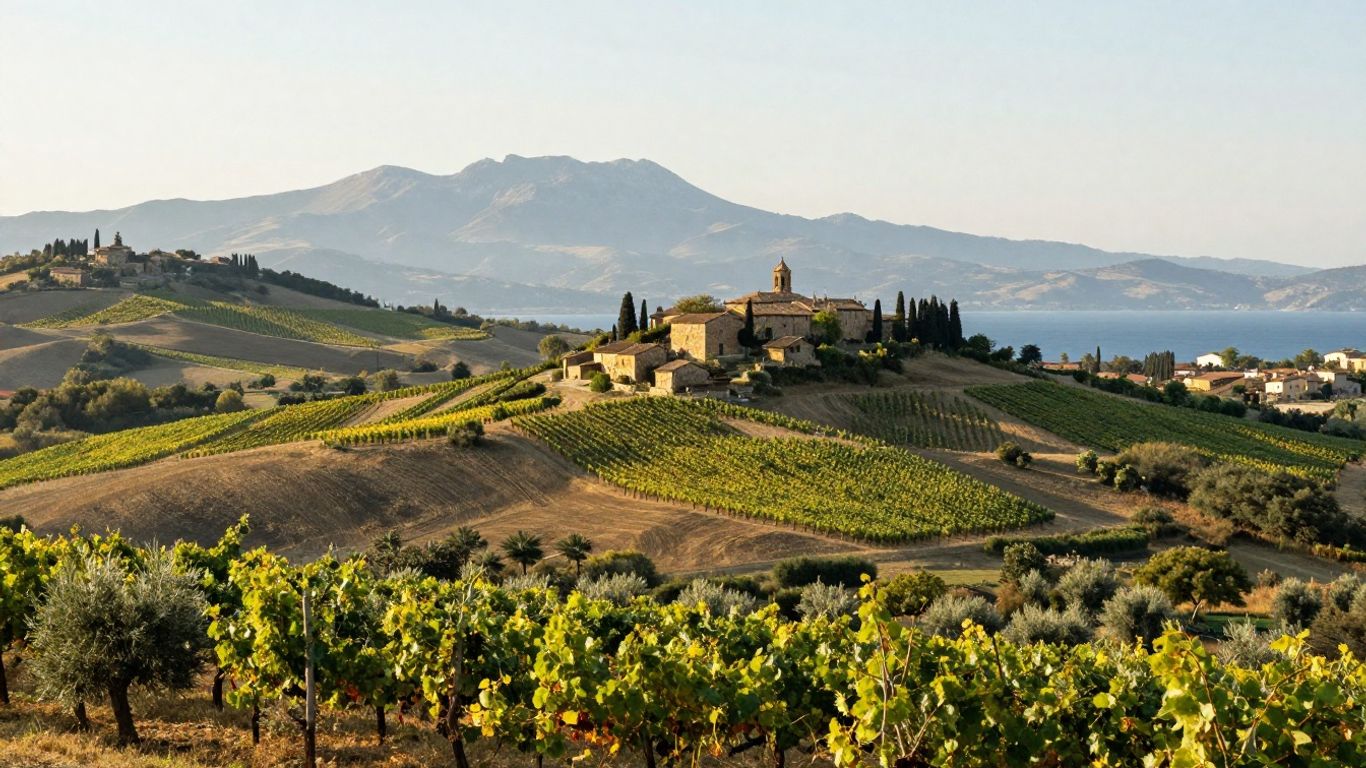
Le Marche stretches between the Adriatic and the Apennines, yet it often receives less attention than Italy’s better-known regions. That makes it appealing if you want beautiful places without a tightly packed itinerary. You can move from coast to countryside and mountains while keeping a pleasingly human pace.
Where the region sits between the Adriatic coast and the Apennines
The region runs north to south along central Italy’s Adriatic side, with Ancona, Pesaro, Macerata, Fermo and Ascoli Piceno among its main centres. Inland, rolling farmland rises towards the Apennines and the Monti Sibillini. A Le Marche travel guide is useful for seeing how closely beaches, vineyards, villages and mountain landscapes fit together.
How Le Marche differs from Tuscany and Umbria
Le Marche makes a good alternative to Tuscany or Umbria, but it has its own character rather than being a substitute for either. Its identity comes from Adriatic cooking, Renaissance towns, working villages and a landscape that changes quickly from coastal plain to high peaks. You will generally find a more relaxed rhythm away from the best-known routes.
The balance of authentic villages, lively towns and quiet countryside
Macerata gives you culture, cafés and the Sferisterio, while nearby borghi such as San Ginesio, Sarnano, Loro Piceno and Urbisaglia offer slower afternoons. Between them are vineyards, olive groves and open roads. Space to slow down is not an added attraction here; it is part of how the region feels.
Who will enjoy visiting Le Marche most
Choose Le Marche if you enjoy walking, regional food, small museums, independent travel and days shaped by curiosity rather than queues. It suits couples, solo travellers and groups who want a comfortable base with room to breathe. Sileni Hills, a 21-apartment retreat opening in June 2027, is designed for that kind of stay near Macerata.
The historic towns and cultural highlights to explore
The region’s cultural appeal lies in its variety. You can spend a morning inside a Renaissance palace, an afternoon in a lively university town and the next day wandering a hilltop village. Build in pauses: the best details are often found in quiet streets rather than only at major landmarks.
Urbino and its Renaissance heritage
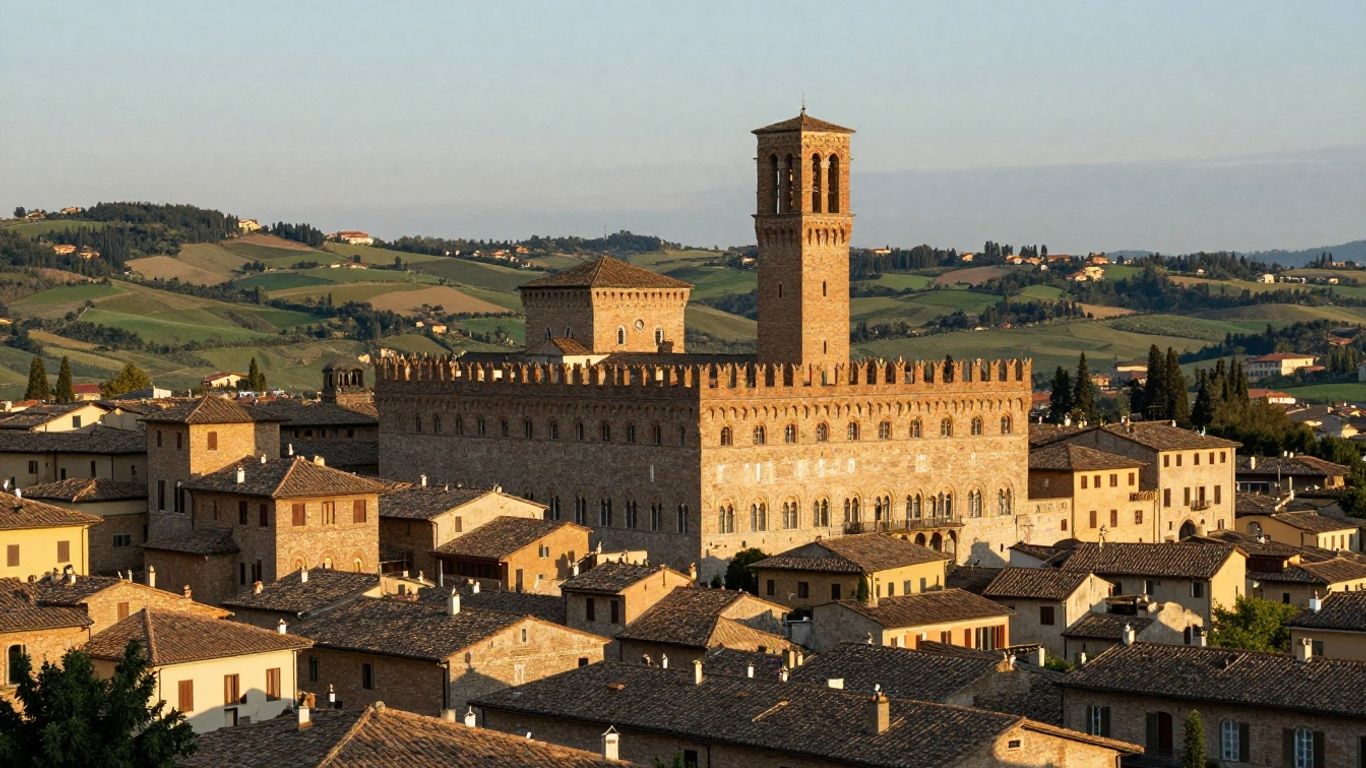
Urbino is the essential cultural stop, with a remarkably preserved historic centre and the Ducal Palace. Its galleries and steep streets reward a full day, especially if you enjoy art, architecture and Renaissance history. Go early, then linger over lunch rather than trying to combine it with too many distant stops.
Ascoli Piceno’s elegant piazzas and historic centre
Ascoli Piceno is known for warm travertine buildings, graceful piazzas and a historic centre that is easy to explore on foot. Piazza del Popolo is the natural starting point, but smaller lanes reveal workshops, churches and cafés. It also gives you a strong introduction to the southern Marche’s food traditions.
Macerata, Fermo and the region’s artistic traditions
Macerata is a practical cultural base, with the Sferisterio’s distinctive open-air setting and a calendar that becomes especially lively in summer. Fermo brings another handsome historic centre, while Recanati connects landscape with literature through the memory of Giacomo Leopardi. Allow a little flexibility around performances and exhibitions.
Loreto, religious heritage and important cultural landmarks
Loreto is one of the region’s most significant pilgrimage destinations, centred on the Basilica della Santa Casa. Even if religious heritage is not your main interest, the scale, architecture and position above the surrounding countryside make it worthwhile. Pair it with the coast or Recanati for a balanced day.
Smaller hill towns worth adding to your route
The smaller borghi often provide the most natural encounters with local life. San Ginesio, Sarnano, Cingoli, Tolentino and Urbisaglia each make sense as part of a gentle driving loop rather than a checklist. For ideas away from the main circuit, browse these hidden Marche villages and choose two or three.
From Adriatic beaches to mountain scenery
Le Marche is unusually rewarding for travellers who dislike choosing between a seaside break and an outdoor holiday. The coast has broad beaches and resort towns, while inland routes climb into quieter, wilder scenery. Your best choice depends on the season, your transport and whether you prefer swimming or walking.
The sandy beaches and seaside resorts around Pesaro and Senigallia
Pesaro and Senigallia offer accessible sandy beaches, promenades and the practical comforts of established seaside resorts. They work well for a relaxed family day or a break between cultural visits. Further south, Porto Recanati and Civitanova Marche make useful coastal stops when you are exploring the Macerata area.
The dramatic coastline of the Conero Riviera
The Conero Riviera feels more rugged, with wooded slopes, clear water and beaches reached by paths or local transport. Sirolo and Numana are popular bases, so arrive early in summer and check access arrangements. The reward is a more textured coastline than the long, open beaches farther north.
Hiking and viewpoints in the Sibillini Mountains
The Monti Sibillini suit both serious walkers and visitors who simply want a mountain viewpoint. Routes vary from broad pastoral landscapes to steeper paths, so check weather and trail conditions before setting out. These Sibillini hiking trails can help you match distance, equipment and season to your plans.
Caves, gorges and nature reserves for outdoor adventures
Beyond the main peaks, you can look for gorges, caves, river valleys and protected landscapes. Some excursions need proper footwear and a little preparation, while others are suitable for a short scenic walk. Ask locally about access after heavy rain, particularly where paths follow streams or narrow ravines.
How to choose between a beach holiday and a mountain escape
A coast-first trip makes sense in high summer if swimming is your priority; spring and autumn are often better for walking and town-hopping. A base inland can still reach the sea for a day while keeping evenings peaceful. This simple comparison may help:
| Preference | Better choice | Best rhythm |
|---|---|---|
| Swimming and promenades | Pesaro or Senigallia | Easy coastal days |
| Wild beaches and views | Conero Riviera | Early starts |
| Hiking and high landscapes | Sibillini Mountains | Active mornings |
The distances are manageable, but winding inland roads make journey times longer than the map suggests. Leave room for stops rather than measuring every day by kilometres.
What to eat and drink in Le Marche
Food is one of the clearest ways to understand the region’s meeting of hills and sea. Recipes are generous without being showy, and local produce changes with altitude, season and proximity to the coast. A useful Marche food and wine guide can help you recognise specialities before you arrive.
Regional specialities such as vincisgrassi and olive ascolane
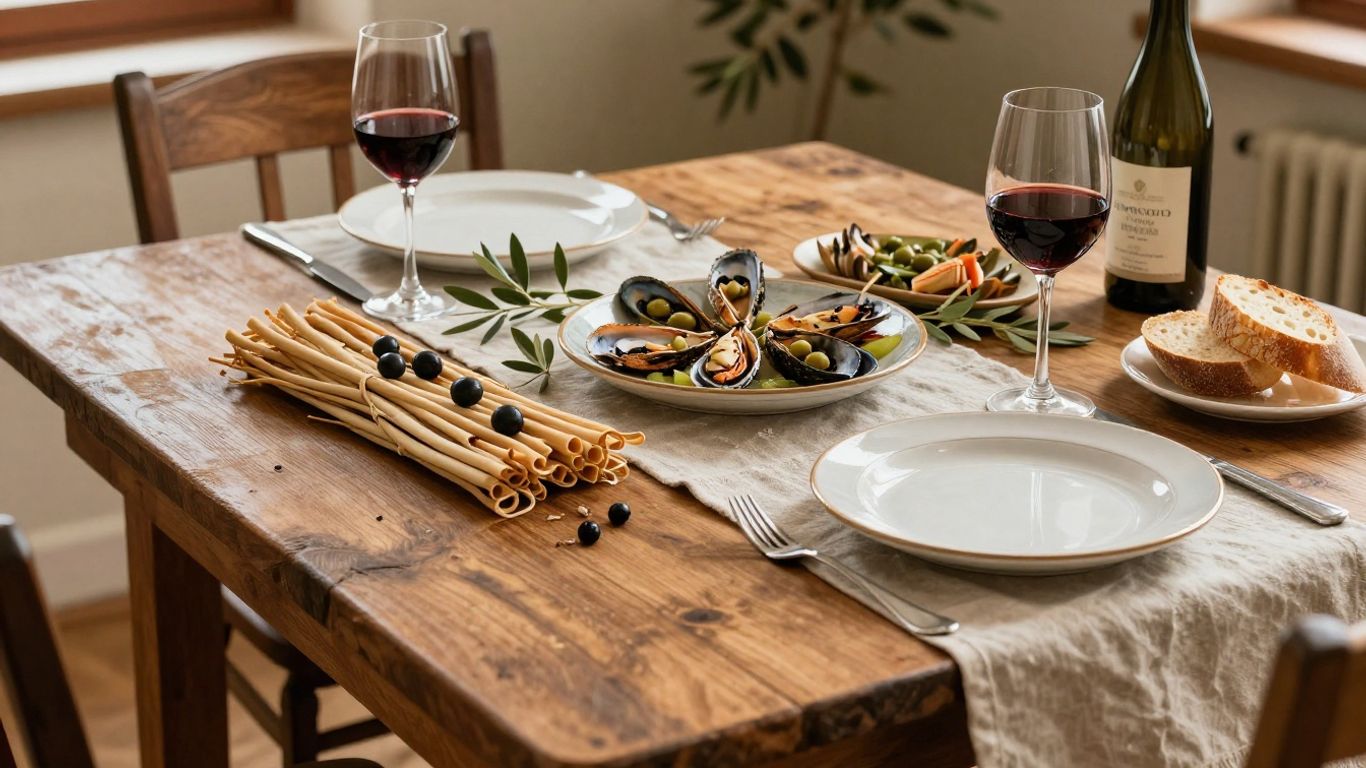
Try vincisgrassi, a rich baked pasta associated with the Marche, and olive ascolane, large olives stuffed, coated and fried. You will also encounter salumi, truffles, olive oil and hearty rural dishes. Order local specialities where possible; recipes and portions often vary from town to town.
Fresh seafood and Adriatic coastal cooking
Along the coast, menus turn towards shellfish, small fish, broths and simple grilled preparations. The best meal may be an unfussy lunch close to the harbour, followed by a walk rather than another attraction. Inland restaurants often combine seafood traditions with vegetables, legumes and handmade pasta.
Local wines including Verdicchio and Rosso Piceno
Verdicchio is the region’s best-known white wine, valued with seafood and lighter dishes. Rosso Piceno gives you a fuller red for pasta, grilled meat and richer cooking. Taste by appellation and producer rather than assuming every bottle will be alike; local recommendations are part of the pleasure.
Traditional markets, bakeries and family-run restaurants
Markets and bakeries are ideal for building a picnic or trying something without ceremony. Look for bread, seasonal fruit, cheese, cured meats and small pastries, then ask what is freshest that day. Family-run restaurants may keep limited hours, but that often means the menu follows the kitchen rather than a fixed tourist routine.
Food festivals and seasonal ingredients to look out for
Summer brings village events, while autumn is especially inviting for mushrooms, truffles, grapes and olive harvests. Festivals can be busy, so check dates locally and arrive hungry. Sileni Hills plans to offer high-quality breakfast with regional products, making mornings another gentle introduction to the area.
The best experiences for an unforgettable trip
The strongest memories in Le Marche tend to come from ordinary activities done in an extraordinary setting. Walk without rushing, stop for coffee, and let a small detour become the point of the day. You do not need to fill every hour to feel that you have travelled well.
Walking through medieval villages and historic centres
Start with a market square, follow the lanes uphill and notice how stone, brick and plaster change between towns. In larger centres, give yourself time for a museum or church; in smaller ones, the view and a café may be enough. The region rewards comfortable shoes and an unhurried eye.
Cycling country roads, vineyards and coastal routes
Cycling works particularly well inland, where quiet roads thread through fields, vineyards and villages. Road cyclists can seek longer climbs, while an e-bike makes the hills friendlier for a slower day. These cycling routes in Le Marche are a helpful starting point for choosing a suitable ride.
Visiting wineries, olive groves and artisan producers
Arrange visits in advance when you can, especially during harvest periods. A tasting becomes more meaningful when you hear how the landscape affects the wine or oil. Small producers may not offer a polished tour, but the conversation and direct connection with local work are often the memorable part.
Enjoying opera, music and local summer festivals
The Macerata Opera Festival at the Sferisterio is a natural highlight, but village concerts and summer celebrations can be just as enjoyable. Check programmes before travelling and keep one evening free for something unexpected. Music gives you a reason to stay in town after dinner.
Finding quieter alternatives to the region’s popular sights
Visit famous places early, then spend the afternoon in a lesser-known borgo or countryside restaurant. You might also choose a weekday for museums and a less publicised beach. A retreat such as Sileni Hills is intended to support this slower pattern, with space and quiet near the regional sights.
Planning a trip to Le Marche
Planning is straightforward once you accept that the region is best explored in sections. Pick a base, group nearby places together and avoid crossing the whole region every day. That approach gives you more time for meals, viewpoints and the small surprises that make a trip feel personal.
The best times to visit for beaches, hiking and cultural trips
Choose June to early September for swimming and outdoor performances, though coastal towns are busiest then. Late spring and early autumn are comfortable for walking, cycling and cultural visits. Autumn adds harvest food and softer light, while winter is quieter but brings shorter opening hours.
How long to stay and what to include in an itinerary
A week gives you time for Macerata, two or three borghi, one coastal day and a mountain outing. With ten days, add Urbino, Ascoli Piceno, Loreto or Recanati without making the schedule exhausting. Keep at least one open day for weather, rest or a place you unexpectedly love.
Getting to Le Marche by air, train and car
Ancona is the region’s main transport gateway, with rail connections along the coast. Trains work well between coastal towns, while a car is more useful for hill villages and mountain routes. From central Italy, driving can be practical, but check your arrival route and allow time for slower roads.
Renting a car and navigating rural roads
A car gives you freedom, especially inland, though roads can be narrow, steep and winding. Download maps before leaving larger towns and do not assume every village has a convenient fuel stop. Drive patiently, park outside historic centres where required, and treat journey time as part of the experience.
Choosing between the coast, countryside and mountain towns as a base
The coast suits beach-focused trips and rail travel; mountain towns suit walkers who want trails nearby. Countryside near Macerata offers the most balanced base for culture, food and day trips. Sileni Hills in Petriolo is planned as a 21-apartment retreat, opening in June 2027, for guests who value that central, quieter position.
Practical tips for travelling around the region
Le Marche is easy to enjoy when you leave room for local habits. Not every attraction follows a continuous timetable, and rural transport is more limited than in major Italian cities. A little preparation helps you stay flexible without losing the relaxed character of the journey.
What to expect from accommodation in Le Marche
You will find coastal apartments, countryside stays, historic properties and small guesthouses, often with very different seasonal patterns. Read what is included and check access, parking and heating before booking. If you prefer more space than a conventional room, an apartment-based retreat can make longer stays feel settled.
Useful Italian phrases and local customs
“Buongiorno”, “per favore” and “grazie” will take you a long way, especially in smaller towns. Dress modestly when visiting churches, greet people when entering a shop, and do not rush a meal. A few words of Italian usually open a warmer, more relaxed exchange.
Managing opening hours, meal times and Sunday closures
Museums and shops may close for lunch or one weekday, and Sunday hours can be limited. Check ahead for restaurants, particularly outside the coast and larger towns. Lunch is often later than you might expect and dinner later still, so carry a snack if your route crosses quiet countryside.
Travelling responsibly and supporting local communities
Buy from local producers, refill a bottle, respect marked trails and keep noise low in villages. Choose independent restaurants and follow guidance at busy beaches or nature sites. Travelling slowly spreads your spending beyond the headline destinations and helps preserve the places you came to see.
Combining Le Marche with nearby regions in central Italy
You can combine the Marche with Umbria, Abruzzo, Emilia-Romagna or the inland areas of Lazio, depending on your route. Resist adding too many famous cities: a few nights in each region creates a better rhythm than constant packing. The Marche works especially well as a quieter middle section of a longer Italian journey.
Conclusion
Le Marche gives you the rare pleasure of variety without demanding speed. In one trip, you can move from Renaissance streets and opera to Adriatic swimming, mountain paths and long meals built around local ingredients. Choose a sensible base near Macerata, travel by sections and leave gaps in your plans. That is how the region’s quieter pleasures emerge: a village view, a kind recommendation, a road through olive groves. If that sounds like your Italy, Le Marche deserves a place on your next itinerary.
Frequently Asked Questions
Is Le Marche Italy worth visiting?
Yes, especially if you want historic towns, beaches, mountain scenery and regional food without relying on the busiest Italian routes. The region suits travellers who enjoy a slower pace and are happy to combine planned highlights with spontaneous stops.
What is Le Marche known for?
Le Marche is known for Urbino’s Renaissance heritage, the Adriatic coast, the Monti Sibillini, medieval hill towns, Verdicchio wine and dishes such as vincisgrassi and olive ascolane. Its varied landscapes are a major part of its appeal.
How many days do you need in Le Marche?
Seven days is a useful minimum for combining Macerata, hill towns, the coast and a mountain excursion. Ten days allows you to add destinations such as Urbino, Ascoli Piceno, Loreto and Recanati at a more comfortable pace.
Do you need a car in Le Marche?
A car is strongly useful for rural villages, countryside stays and mountain trails. Trains serve the coastal corridor, but public transport is less convenient for linking smaller inland destinations. Plan carefully and allow extra time on winding roads.
When is the best time to visit Le Marche?
Summer is best for swimming, beach life and open-air performances. Late spring and early autumn are better for hiking, cycling and cultural touring, with milder temperatures. Autumn also brings harvests and seasonal food events.
What food should you try in Le Marche?
Try vincisgrassi, olive ascolane, handmade pasta, local salumi, truffles and Adriatic seafood. Pair meals with Verdicchio or Rosso Piceno, and ask restaurants or market traders which ingredients are freshest during your visit.
Where should you stay in Le Marche?
Choose the coast for beach access, the mountains for walking or the countryside near Macerata for a balanced itinerary. An inland base gives you calmer evenings while keeping cultural towns, villages and the Adriatic within reach by car.