
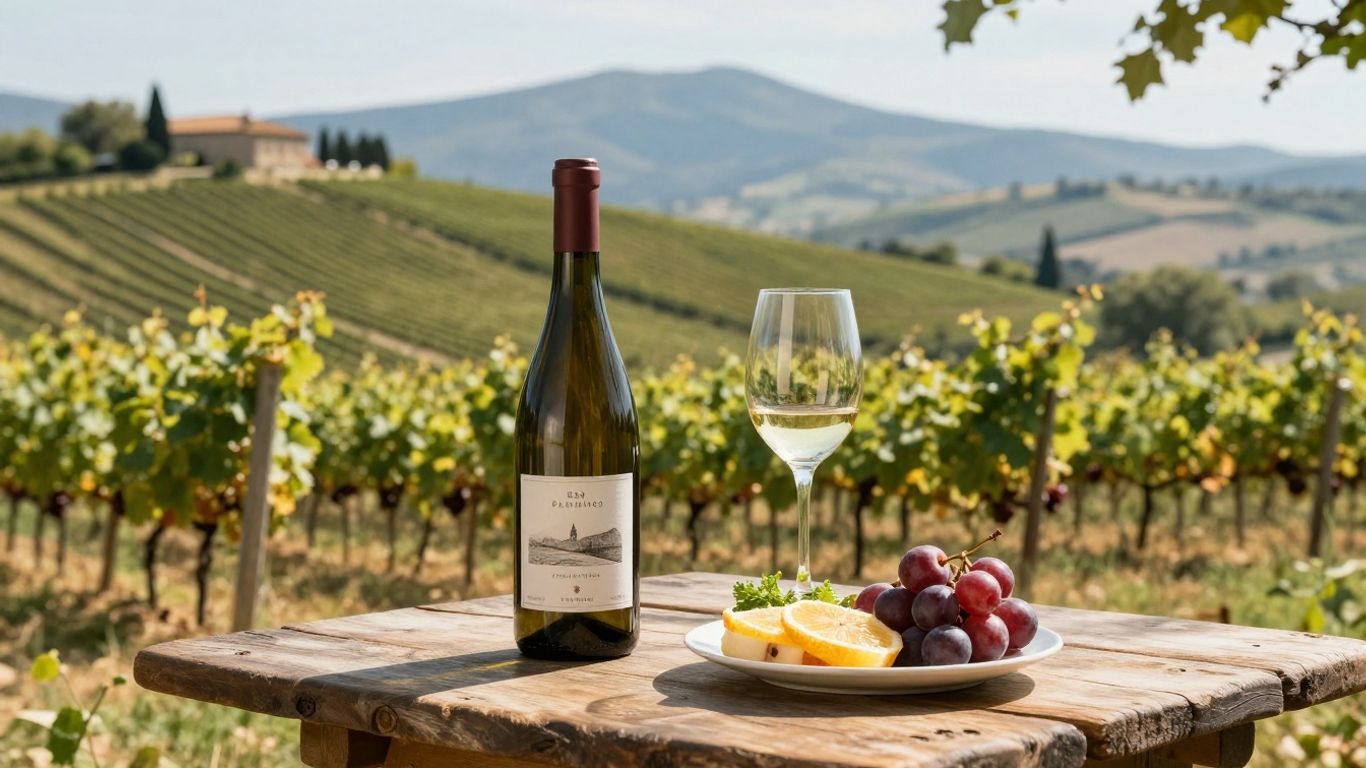

Key Takeaways
Marche wine tasting is a chance to explore distinctive local grapes alongside a varied landscape and generous regional cooking.
- Verdicchio, Rosso Conero and Rosso Piceno are useful starting points.
- Jesi and Matelica offer different expressions of Verdicchio.
- Book winery visits ahead and leave time to travel between them.
- Taste thoughtfully, ask about the wines and buy only what you can take home.
- Pair local bottles with seafood, cured meats, cheese and seasonal dishes.
Get to know Marche’s wine regions
Marche’s vineyards stretch between the Adriatic coast and the Apennines, with hills and inland valleys in between. That variety makes it easy to build a tasting day around more than one style of wine. When Sileni Hills opens in June 2027, its retreat in the province of Macerata will offer a base for exploring the region. For a wider sense of the landscape, browse this guide to Macerata and its historic sights.
How the coast, hills and mountains shape local wines
Sea breezes, inland elevations and mountain weather all play a part in how grapes ripen. The coast can bring a gentler climate, while inland valleys tend to have a greater contrast between day and night temperatures. These are broad patterns, not a promise of what any single bottle will taste like. Ask the producer about the vineyard’s location and the vintage; those details can make a tasting feel more connected to the place.
The main wine areas to look out for
Jesi and Matelica are two names to recognise if you enjoy Verdicchio, while the Conero and Piceno areas are associated with red wines. Bianchello del Metauro and Lacrima di Morro d’Alba offer other local grapes and styles. This quick guide can help you decide which areas to explore first:
| Area | A useful starting point | Style to look for |
|---|---|---|
| Castelli di Jesi | Verdicchio | Fresh whites, with varied expressions |
| Matelica | Verdicchio | Inland styles with a distinct character |
| Conero | Rosso Conero | Red wines based largely on Montepulciano |
| Piceno | Rosso Piceno | Reds made with Montepulciano and Sangiovese |
Use the table to sketch a route, then check the estate’s own information before you travel. If you want more context on the regional contrasts, explore Jesi and Matelica wine styles.
What DOC and DOCG labels tell you
DOC and DOCG are Italian designations linked to a wine’s origin and production rules. DOCG has additional requirements and controls; neither label tells you whether a bottle will suit your taste. Treat them as useful clues, then read the grape and producer details too. At a tasting, you can ask what the designation means for that particular wine rather than assuming every bottle in an area tastes alike.
When to visit for vineyard scenery and seasonal events
Vineyards change with the seasons, from green growth in warmer months to harvest activity in autumn. Exact dates and events vary, so check locally before arranging a visit. Autumn can be especially appealing if you enjoy countryside walks as well as cellar stops. The region’s coastal and mountain landscapes also make it easy to add a village, beach or scenic drive to a wine-focused trip.
Discover the wines to try
Marche has plenty to explore beyond one familiar label, though Verdicchio is an easy place to begin. Try a flight with different grapes or areas rather than choosing only by colour. That gives you a clearer sense of the region’s range, and the producer can explain what makes each wine distinctive. These wines make a rewarding starting list for Marche wine tasting.
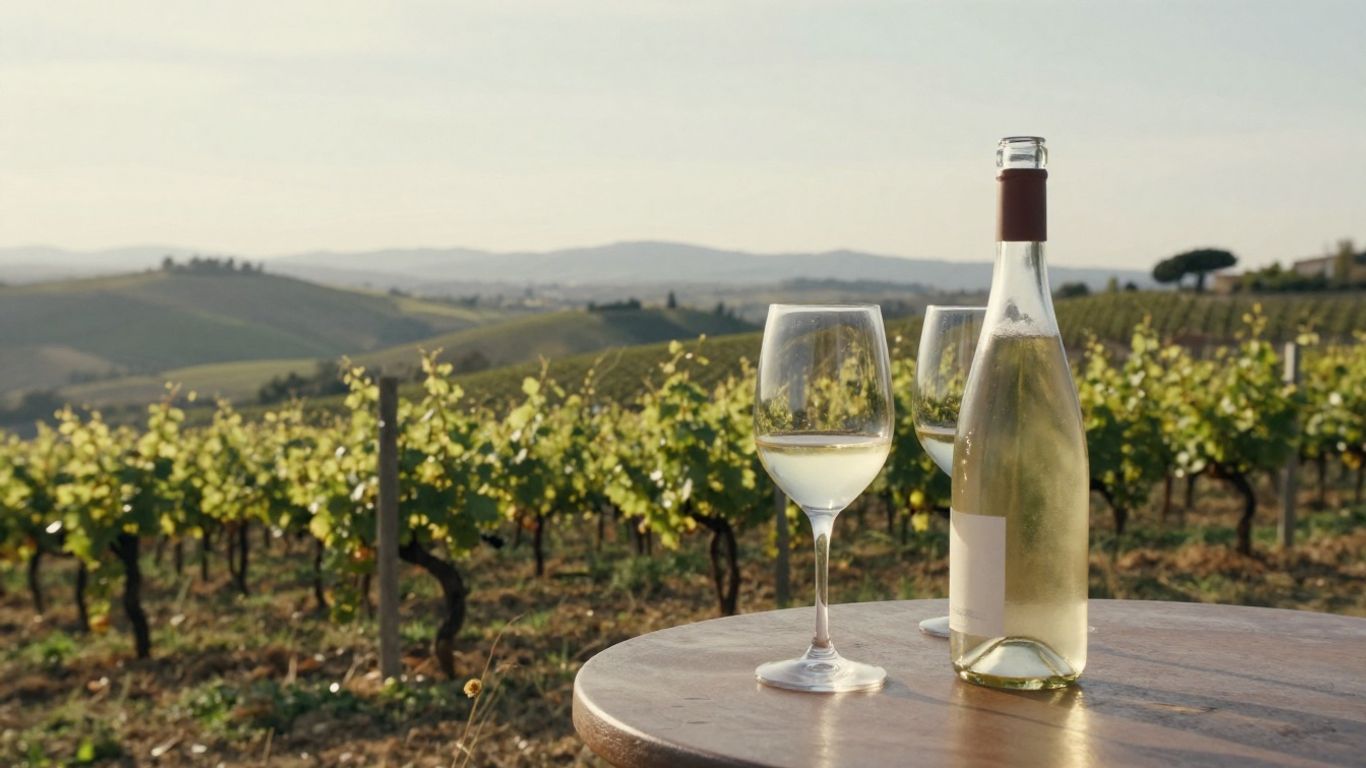
Verdicchio dei Castelli di Jesi and Verdicchio di Matelica
Both wines are made from Verdicchio, but their origins give you a useful comparison at the table. Castelli di Jesi covers an area closer to the Adriatic, while Matelica lies inland. Taste them side by side if you can, and notice the balance of fruit, freshness and finish rather than looking for a single “correct” profile. The producer and vintage matter, too.
Rosso Conero and Rosso Piceno
Rosso Conero and Rosso Piceno are good reds to try if you prefer wines made with Montepulciano or Sangiovese. Their blends and production choices vary, so ask what is in the bottle before drawing conclusions from the name alone. A tasting flight can help you compare structure and fruit, especially if you try them with local cured meats or a substantial pasta dish.
Bianchello del Metauro, Lacrima di Morro d’Alba and other local finds
Bianchello del Metauro is a local white to look out for, while Lacrima di Morro d’Alba is a distinctive red. They are worthwhile choices when you want to move beyond the region’s best-known wines. Ask whether the estate pours them by the glass or includes them in a tasting flight. Smaller producers may have different selections on different days.
Sparkling, rosé and passito wines
There is room for sparkling, rosé and passito wines in a Marche tasting, though availability varies by producer. Passito is made from dried grapes and is typically enjoyed as a sweeter style; it can be a lovely way to finish a flight. Ask how each wine is made and what local food the winemaker would serve with it. That answer can be as memorable as the pour itself.
Choose a winery or tasting experience
A good winery visit suits your pace, interests and transport plans. Some estates may offer a simple tasting; others can include a vineyard or cellar visit. Check what is actually available before you book, and don’t assume every producer welcomes drop-ins. A little planning gives you time to enjoy the conversation, the wine and the scenery without turning the day into a race.
Small family-run estates and larger producers
A small estate may offer a personal conversation about its vineyards and wines, while a larger producer may have a broader range to taste. Neither is automatically the better choice. Think about what you want to learn and how much time you have. If the winemaker or a particular wine interests you, ask whether it will be included in the visit before confirming.
Guided tastings, vineyard tours and cellar visits
A guided tasting gives you a chance to ask questions as you sample the wines. A vineyard walk or cellar visit adds a closer look at where and how they are made, when offered. Check the length of the experience, which wines are poured, and whether food is included. These details help you choose a visit that feels complete without overfilling your day.
Private tours, group visits and self-guided stops
Private visits can give you more control over timing, while group tastings may suit travellers who enjoy sharing the experience. Self-guided stops offer flexibility, but you’ll need to arrange your own transport and confirm opening hours. For a calm itinerary, decide what matters most—conversation, scenery or tasting variety—and choose the format that leaves space for it.
Questions to ask when booking
Before you commit, ask a few practical questions so you know what the visit involves. You can keep it simple and specific:
- Is an appointment required, and what time can you arrive?
- How long does the tasting usually take?
- Which wines are included, and is food available?
- Are there any access or language details to know?
Clear answers help you plan the drive and avoid surprises. If you’re visiting more than one estate, leave a generous gap between appointments.
Plan a relaxed wine-tasting day
Distances and travel times can add up on rural roads, so plan around the areas you want to visit rather than trying to cover the whole region. Pick a manageable route, build in lunch and leave time to stop in a village or enjoy the view. When Sileni Hills opens in June 2027, it will serve as a retreat base from which to explore Marche; make your winery plans separately and check each producer’s current arrangements.
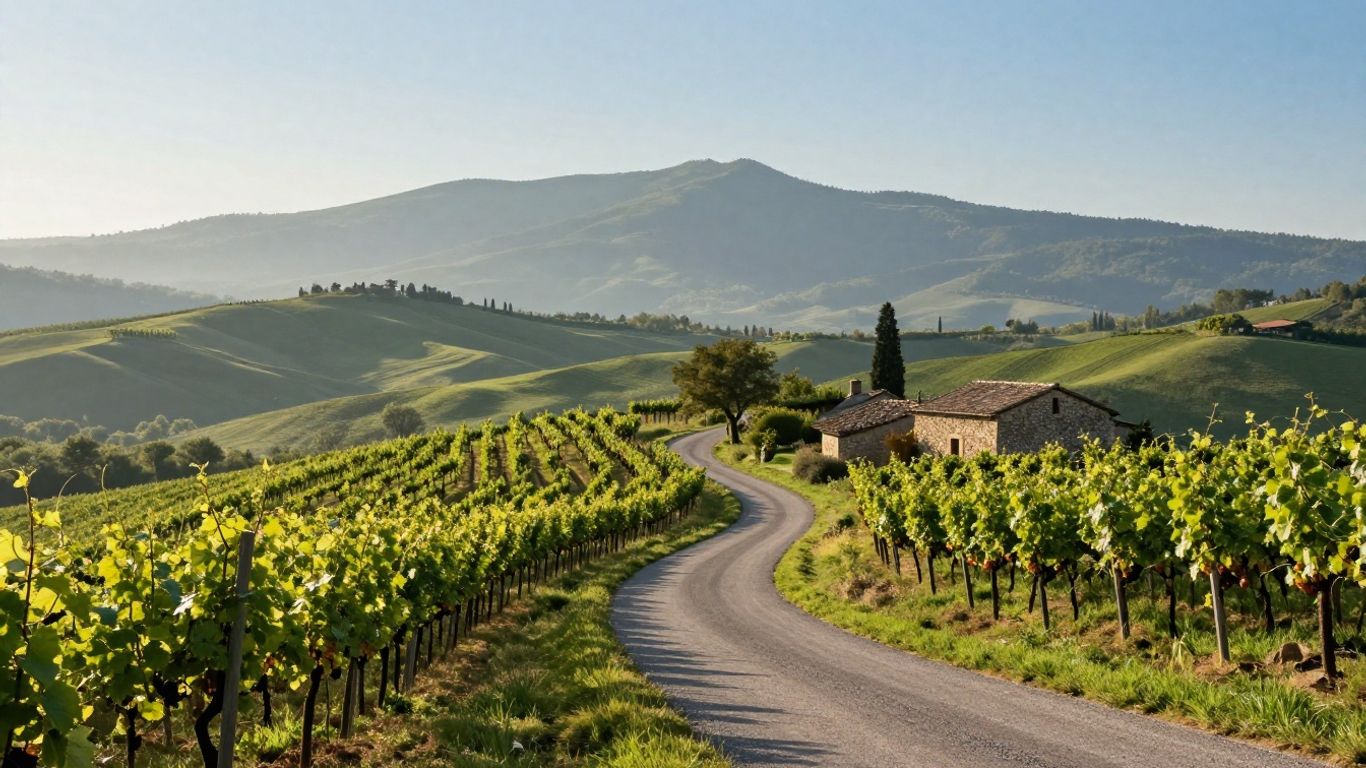
Getting around by car, tour or public transport
A car gives you flexibility between wineries, but someone in your party should be prepared not to drink. A pre-arranged tour can simplify transport, while public transport may work for some towns but won’t necessarily connect conveniently to rural estates. If you’re staying at Sileni Hills, check routes and travel times from the retreat before booking a tasting; don’t assume transfers are included.
How many wineries to visit in one day
Two visits are often enough for a relaxed day, particularly if you want time for lunch and a proper conversation at each stop. Three can work if the wineries are close together and the appointments are well spaced. Consider the drive, tasting length and your appetite for more wine. You’ll remember more if you leave room to pause between places.
Booking ahead and checking opening times
Contact wineries directly to confirm availability, appointment times, languages and what each tasting includes. Opening days and seasonal schedules can change, and some producers may not accept visitors without a booking. Keep confirmations and addresses handy on the day. If your plans are flexible, ask about alternative times rather than trying to squeeze a visit into an unsuitable slot.
Staying safe and arranging a designated driver
Tastings are easier to enjoy when you’ve planned a safe way home. Choose a designated driver who will avoid alcohol, book a tour with transport, or arrange another suitable option before you start. Don’t rely on finding a last-minute ride in the countryside. A sensible plan keeps the focus on the wine and lets everyone enjoy the day responsibly.
Make the most of each tasting
A winery visit is about attention as much as expertise. You don’t need specialist vocabulary; take your time, notice what you like and ask questions when something surprises you. Producers can tell you about their own wines, and comparing a few pours thoughtfully is more rewarding than trying to taste everything. Curiosity over jargon is a good approach to take with you.
What to expect from a typical winery visit
A visit may begin with a welcome and a brief introduction to the estate, followed by a tasting. Vineyard or cellar access depends on the producer and the experience you booked. Arrive on time and check in if you’re running late. If you have dietary needs or mobility questions, mention them when arranging the visit so the winery can tell you what to expect.
How to taste and compare wines
Look at the wine, smell it, then take a small sip and notice how it changes. Compare one quality at a time—perhaps freshness, texture or finish—rather than searching for a perfect description. You can make a quick note of the grape, area and vintage if you want to remember a favourite. It’s perfectly fine to say simply whether you enjoyed it.
Tasting etiquette and useful Italian phrases
Follow the host’s lead, listen while the wine is introduced and ask before taking photographs in working areas. A few phrases can make the exchange easier: “Posso assaggiare?” means “May I taste?”, and “Che uva è?” asks “Which grape is it?” You can also say “Grazie, molto buono” to thank your host. Keep questions friendly and give the group time to taste.
Buying bottles and arranging delivery
If you find a bottle you like, ask about its price, how it travels and whether the producer can arrange delivery. Rules and shipping options depend on the winery and destination, so confirm the details directly. If you’re carrying bottles yourself, check your luggage allowance and pack them securely. There’s no need to buy at every stop; choose the wines you’ll genuinely enjoy later.
Pair Marche wines with local food
Food can change how a wine tastes, so try local pairings when they’re available. Marche cooking includes seafood, cured meats, cheeses and richer seasonal dishes, giving you plenty of ways to compare a white with a red. Ask the winery or restaurant what is in season and what they would pour with it. The best match is often the one you enjoy at the table.
Seafood and fresh Verdicchio
Fresh Verdicchio is a natural wine to try alongside seafood, especially when the dish is simply prepared. The wine’s freshness can sit comfortably with delicate flavours, while richer sauces may call for a fuller style. Ask whether the restaurant offers Verdicchio by the glass, then try it with a local fish dish. The combination is a useful introduction to the area’s food and wine.
Cured meats and Rosso Piceno
Rosso Piceno can be a satisfying choice with cured meats and other savoury bites. The blend and style vary, so let the producer or server guide you towards a bottle with enough structure for the food. Share a small plate if you’re tasting several wines. That way you can see how the pairing develops without making the meal feel too heavy.
Regional cheeses, truffles and fuller-bodied reds
Regional cheeses and dishes featuring truffle can work well with fuller-bodied reds, though the details of the dish matter. A delicate cheese may call for a lighter pour, while a richer preparation can stand up to a more structured wine. Ask what is local and in season, then choose a pairing that doesn’t overwhelm either part of the plate.
Matching wine with a traditional Marche meal
For a traditional meal, think about the whole sequence rather than choosing one bottle for everything. Start with a fresh white for lighter seafood or antipasti, then consider a red with a more substantial main course. Local menus change, so ask for suggestions at the table. Let the pace stay unhurried: a good meal is part of the wine experience, not a break from it.
Conclusion
Marche wine tasting rewards a little curiosity and a relaxed plan. Start with Verdicchio, try a red such as Rosso Conero or Rosso Piceno, and leave room for less familiar local bottles. Book visits directly, plan your transport before you taste and give yourself time to enjoy the food and landscape between appointments. When Sileni Hills opens in June 2027, its Macerata retreat will be one possible base for exploring the region at an easy pace. Let the day unfold around the places and wines you most want to remember.
Frequently Asked Questions
What wine is Marche best known for?
Verdicchio is among Marche’s best-known wines, with Verdicchio dei Castelli di Jesi and Verdicchio di Matelica offering two distinct areas to explore. The region also produces notable reds, including Rosso Conero and Rosso Piceno.
Can you visit a Marche winery without booking?
Some wineries may welcome walk-ins, but you shouldn’t count on it. Many visits are by appointment, and opening hours can vary by season. Contact the estate ahead of time to confirm availability and what the tasting includes.
How many wineries should you visit in one day?
For an unhurried day, plan for one or two visits, with time for lunch and the drive between them. A third stop may work if the estates are close and their appointment times allow a comfortable schedule.
What is the difference between Verdicchio di Jesi and Matelica?
They come from different growing areas: Castelli di Jesi is closer to the Adriatic, while Matelica lies inland. Tasting them side by side is a practical way to explore differences in their character and style.
What food goes well with Marche wines?
Try Verdicchio with seafood, Rosso Piceno with cured meats, and fuller-bodied reds with richer dishes or some cheeses. Pairings depend on the wine and recipe, so ask what the producer or restaurant recommends.
When is the best time to visit Marche vineyards?
The best time depends on what you want to see. Warmer months bring green vineyard scenery, while autumn can coincide with harvest activity. Check local schedules, since vineyard events and winery opening times vary.
Do Marche wineries offer tastings in English?
Some do, but language options differ between estates and may depend on the day or guide. Ask when you book whether the tasting can be hosted in English, and confirm how long the visit will take.