

Key Takeaways
A restorative stay in Le Marche works best when the setting, season and daily rhythm suit the kind of break you want.
- Choose between coast, countryside and hill towns based on how you want to spend your days.
- Spring and autumn often suit walking and exploring; summer brings longer beach days and busier destinations.
- Check the schedule, meal arrangements and free time before booking a retreat.
- Compare room arrangements and facilities against what you will genuinely use.
- Plan transport and the full cost, including transfers, activities and cancellation terms.
1. Get to know the Marche region
An Italian retreat in Marche can combine quiet countryside with days by the Adriatic or visits to historic towns. The region is varied, but it tends to reward a slower approach: pick a comfortable base, then explore a few places rather than rushing between them. This guide helps you make those choices and check the practical details before booking. Sileni Hills is planned as a 21-apartment retreat in Petriolo, positioned as a base for exploring the wider Marche and Macerata area.
What makes Le Marche different from Italy’s better-known retreat regions
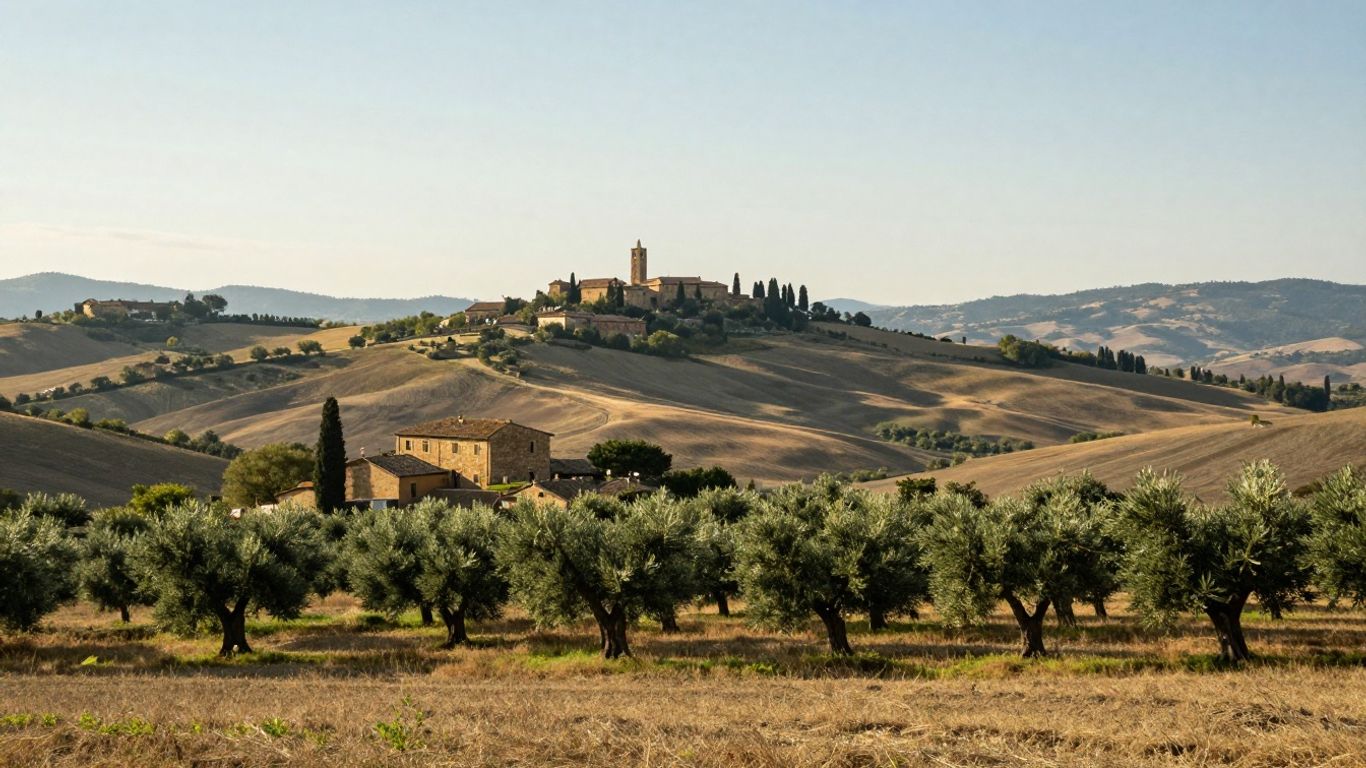
Le Marche has its own character, shaped by a mix of coastline, mountain scenery, working towns and rural landscapes. Rather than planning around a single famous destination, you can build a stay around what interests you: food, walking, art or a little of each. For a useful sense of the region’s range, start with this regional guide.
How the coast, countryside and hill towns shape your stay
The landscape changes the feel of each day. A coastal base makes sea time easy; a rural setting gives you room to slow down; and a hill town brings cafés, historic streets and viewpoints within an easy wander. You can also mix settings with day trips, though allow time for winding roads and unhurried stops.
What to expect from the region’s pace and local culture
Expect days to revolve around meals, markets and the pace of local life, rather than a packed sightseeing schedule. A long lunch or an extra stop in a village can become the best part of the day. If you prefer a more immersive Italian stay, look for a programme that leaves space for local food and everyday culture.
2. Choose the right setting and season
Your choice of setting affects how easily you can reach the activities you care about. Think about whether you want the sea close by, countryside views from your door, or a town to explore on foot. Season matters too: it changes the balance between outdoor time, crowds and the number of things open. A little planning helps you choose a stay that feels restful, not over-scheduled.
Coastal retreats, rural estates and historic towns
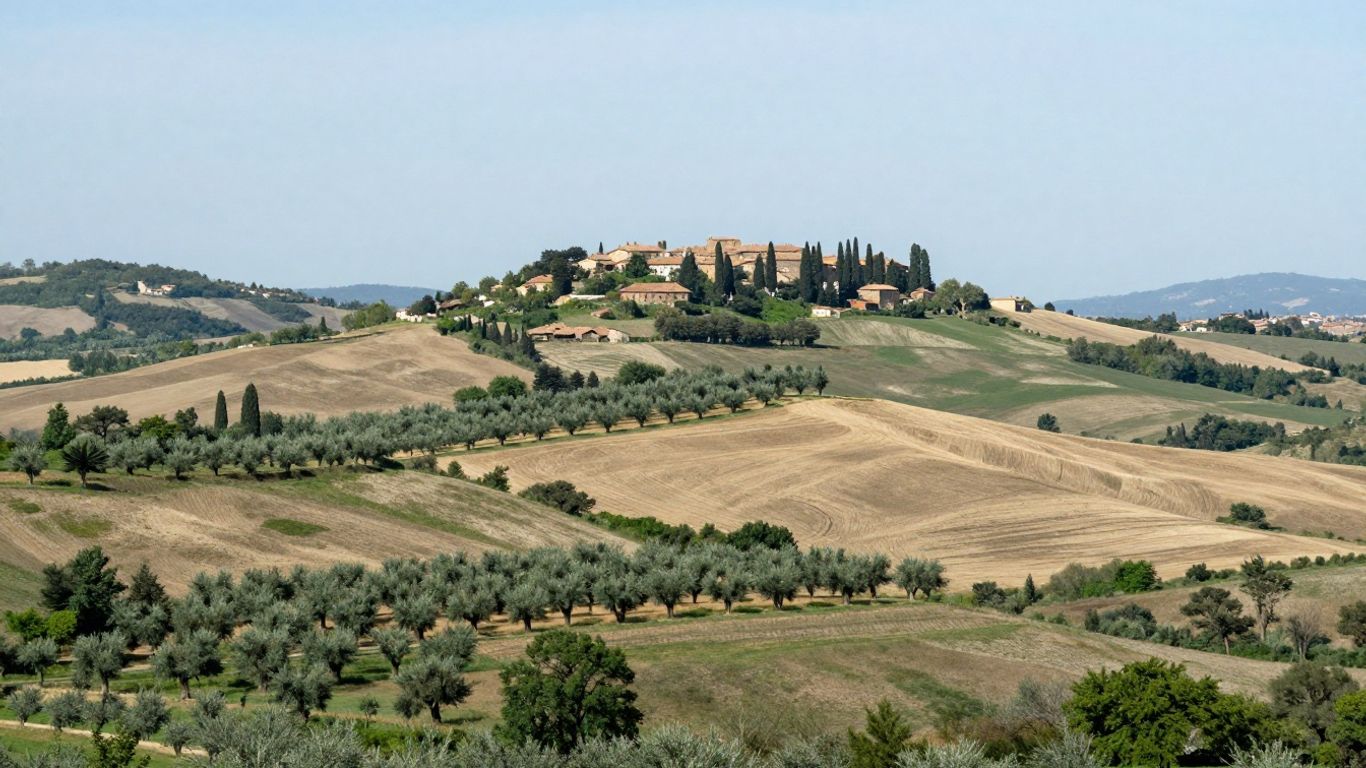
A coastal stay suits you if swimming and beach walks are central to the break. Rural accommodation can make it easier to enjoy quiet mornings and open landscapes, while a historic town gives you culture and places to eat close at hand. Consider the trade-off: the quieter the location, the more likely you are to need transport for excursions.
How spring, summer and autumn affect your experience
Each season brings a different rhythm, so match the month to your priorities rather than choosing by temperature alone. These broad differences can help you decide what matters most:
| Season | What it can suit | What to consider |
|---|---|---|
| Spring | Walking and greener scenery | Changeable weather; pack layers |
| Summer | Beach days and long evenings | Heat and greater demand for popular spots |
| Autumn | Food-focused trips and quieter exploring | Shorter days and seasonal opening hours |
Use the table as a starting point, then check the specific dates and activities offered by your chosen retreat. Local conditions vary, and a flexible plan makes it easier to enjoy the region whatever the weather brings.
Balancing warm-weather activities with quieter months
You do not need peak summer to enjoy the coast or countryside. In a quieter month, choose activities that suit the conditions—perhaps a town visit, a long lunch or a walk with a local guide. A published movement retreat programme is one example of how a stay can centre on an activity while still leaving room to enjoy the setting.
3. Find a retreat that fits your goals
Retreats can be built around movement, wellbeing, food, creativity or simply having a peaceful place to stay. Be clear about what you want from the time away: a focused programme, a chance to learn something, or a calm base for independent days out. The word “retreat” does not guarantee the same schedule everywhere, so read the details rather than relying on the label.
Yoga, wellness, food and creative retreat formats
A yoga or wellness retreat may centre on regular classes, while a food-focused stay could include cooking or shared meals. Creative retreats vary too, from guided workshops to time set aside for personal projects. Check who leads the activities, what level of experience is expected and whether the programme is suitable for you.
Checking the daily schedule before you book
Look at a sample day, not just the list of activities. Find out when sessions start, how much time is free and whether meals or excursions are fixed. A realistic daily rhythm matters: early starts may suit some guests, while others want the option to skip a class or spend the afternoon exploring.
Deciding how much free time and structure you want
If you like a clear plan, choose a retreat with regular sessions and defined activities. If you want to explore independently, look for a lighter schedule and confirm that you can opt out without losing included value. Ask whether the group spends time together throughout the day or mainly meets for particular sessions.
4. Compare accommodation and facilities
Accommodation is part of the retreat experience, especially if you plan to spend time resting on site. Compare the room setup, meals and facilities with your own priorities, rather than assuming every feature is included in the price. Sileni Hills is planned to open in June 2027, with a historic residence being restored alongside newly built apartments and suites.
Private rooms, shared stays and group size
Confirm whether your booking gives you a private room or apartment, or whether you will share with other guests. Ask about bathrooms, sleeping arrangements and the expected group size. Sileni Hills is planned as a 21-apartment retreat, with bookings made by individual apartment; check the available layouts and dates directly before making plans.
Meals, dietary needs and local ingredients
Find out which meals are included, when they are served and whether drinks or snacks cost extra. Tell the organiser about dietary needs before booking and ask how they will be accommodated. Sileni Hills plans to offer a high-quality breakfast featuring regional products, so check the details and availability for your intended stay.
Pools, treatment spaces and other facilities worth checking
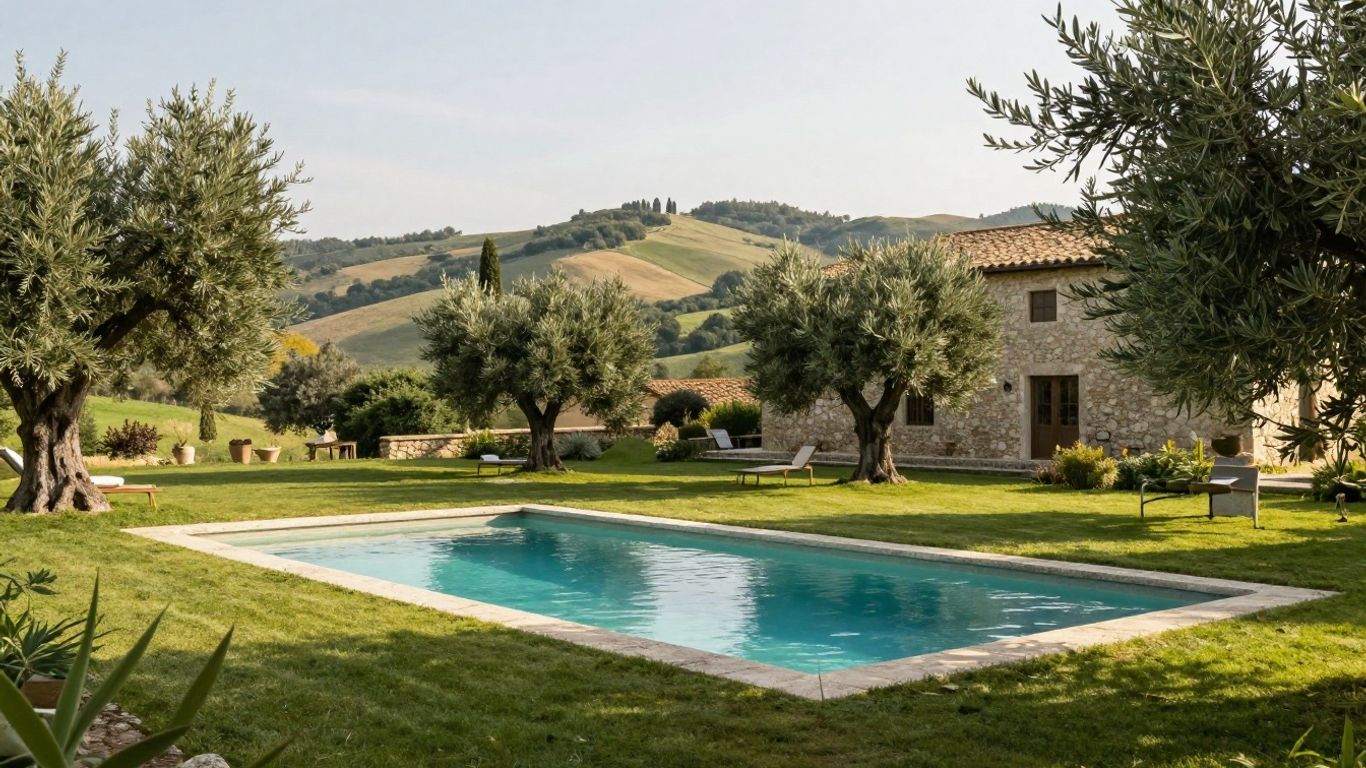
A pool or treatment space may sound appealing, but check the opening times, access arrangements and whether any treatments are separately priced. Also ask what outdoor space is available and whether facilities are shared. Sileni Hills is planned to include a large pool and generous green space; confirm what will be available when it opens.
5. Plan your journey around the region
A smooth journey begins with checking the full route to your accommodation, not just the nearest airport or station. Compare arrival times, onward connections and transfer options before choosing your travel day. Once there, leave room for local journeys: a village lunch or a beach stop can take longer than a map suggests, especially when you want to enjoy the day rather than rush.
Choosing the best airport or rail connection
Start by checking which arrival point offers the simplest onward journey for your dates. Rail can work well if your stay is near a station and transfers are arranged; flying may be more practical for a remote base, depending on schedules. Ask your retreat organiser about recommended routes, transfers and arrival windows.
When a hire car is useful for getting around
A hire car gives you more flexibility if you want to visit several villages, reach countryside walks or travel at your own pace. If you would rather not drive, ask about local transport and organised excursions before booking. Consider parking, road conditions and whether you are comfortable with unfamiliar routes before deciding.
Building in time for villages, beaches and local excursions
A few thoughtfully chosen stops are often more satisfying than trying to cover the whole region. Before you go, shortlist places that fit around your retreat rather than filling every free hour. For example, you might plan:
- A morning walk through a nearby hill town.
- An afternoon by the Adriatic coast.
- A relaxed meal featuring regional dishes.
Leave room to change plans if the weather shifts or somewhere catches your attention. Your retreat should still feel like time away, not a timetable to complete.
6. Set your budget and book with confidence
Compare the total cost of the stay, not just the headline price. Accommodation, meals, classes, transfers and excursions may be treated differently by each organiser, and add-ons can affect the final amount. Before paying, read the terms carefully and make sure the dates, room arrangements and inclusions match what you expect. A written answer to any open question is worth having.
Understanding what the retreat price includes
Check whether the price covers accommodation, meals and scheduled activities, then ask what costs extra. Find out if transfers, equipment, local excursions or drinks are included. If a retreat is advertised as a package, request an itemised outline so you can compare the offer fairly with other suitable options.
Checking cancellation terms, deposits and travel insurance
Before paying a deposit, note the payment deadlines, cancellation charges and circumstances in which a refund may be available. Travel insurance can help with eligible disruptions, but cover varies, so read the policy and check it suits your trip. Keep booking confirmations and receipts together in one place.
Questions to ask the organiser before committing
A brief conversation can reveal whether the retreat is a good fit. Ask about the daily schedule, accessibility, food arrangements and transport, as well as what happens if an activity changes. If an answer is vague, ask for clarification in writing. That makes it easier to book with realistic expectations and enjoy the stay once you arrive.
Conclusion
Planning a restorative stay in Le Marche comes down to choosing a setting that fits your pace, checking what the retreat actually includes and leaving enough space to enjoy the region. Think through the season, daily schedule, room arrangements and onward transport before you commit. Then choose a few places or experiences that genuinely interest you, rather than trying to see everything at once. With a little practical preparation, you can spend less time solving logistics and more time enjoying the landscapes, food and quieter rhythm that brought you to the Marche.
Frequently Asked Questions
When is the best time to book an Italian retreat in Marche?
It depends on what you want to do. Summer is appealing for beach days and long evenings, while spring and autumn can suit walking and exploring. Check the retreat’s dates, programme and seasonal availability before booking, as opening times and activities can vary.
Is Le Marche a good choice for a quiet retreat?
It can be, particularly if you choose a rural setting or a smaller town and avoid the busiest dates. The region also offers beaches, historic centres and mountain scenery, so you can combine quiet time with outings without needing to make every day an excursion.
Do I need a car in Le Marche?
Not always, but a car can make it easier to visit villages and rural areas independently. Check the location of your accommodation, public transport options and any transfers or excursions included. Decide based on the places you want to visit and your preferred pace.
What should I check in a retreat’s daily schedule?
Look for session times, meals, excursions and free periods. Ask whether activities are optional, how much time is spent travelling and whether the schedule changes by day. A sample itinerary helps you understand the pace and decide if it suits your idea of a restorative break.
How can I compare retreat prices fairly?
List what each price includes: accommodation, meals, classes, transfers and excursions. Then check additional costs such as drinks, treatments or equipment. Comparing the total likely cost, rather than the advertised starting price, gives you a clearer view of what fits your budget.
What should I ask about meals and dietary needs?
Ask which meals are included, how dietary requirements are handled and when the organiser needs that information. If you have allergies or specific needs, describe them clearly before booking and request confirmation that the arrangements can be accommodated.
How much free time should a retreat include?
There is no single right amount. A structured programme can be reassuring if you enjoy guided activities, while independent travellers may prefer open afternoons. Consider how much you want to rest, explore or socialise, then choose a schedule that leaves room for those priorities.